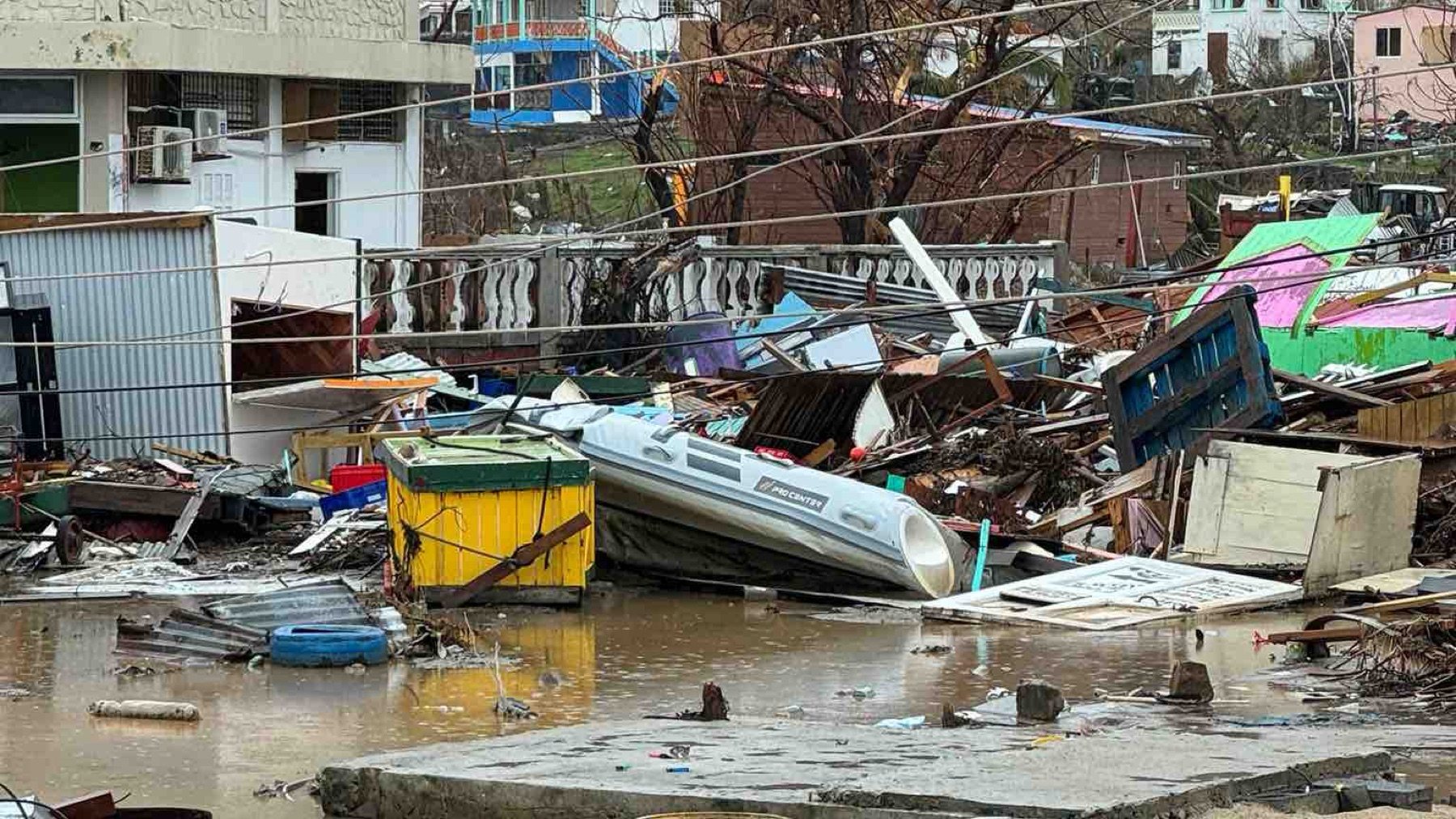
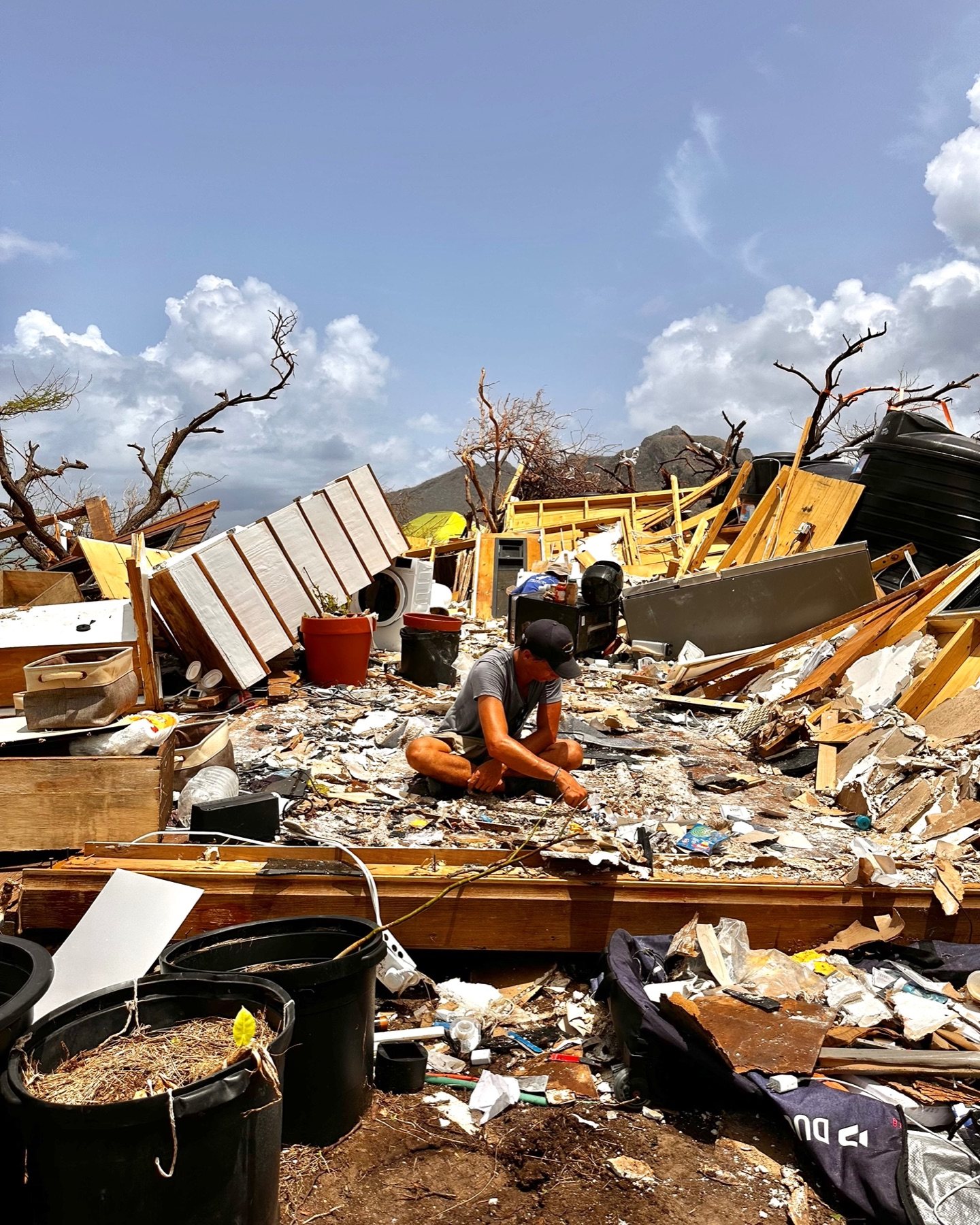
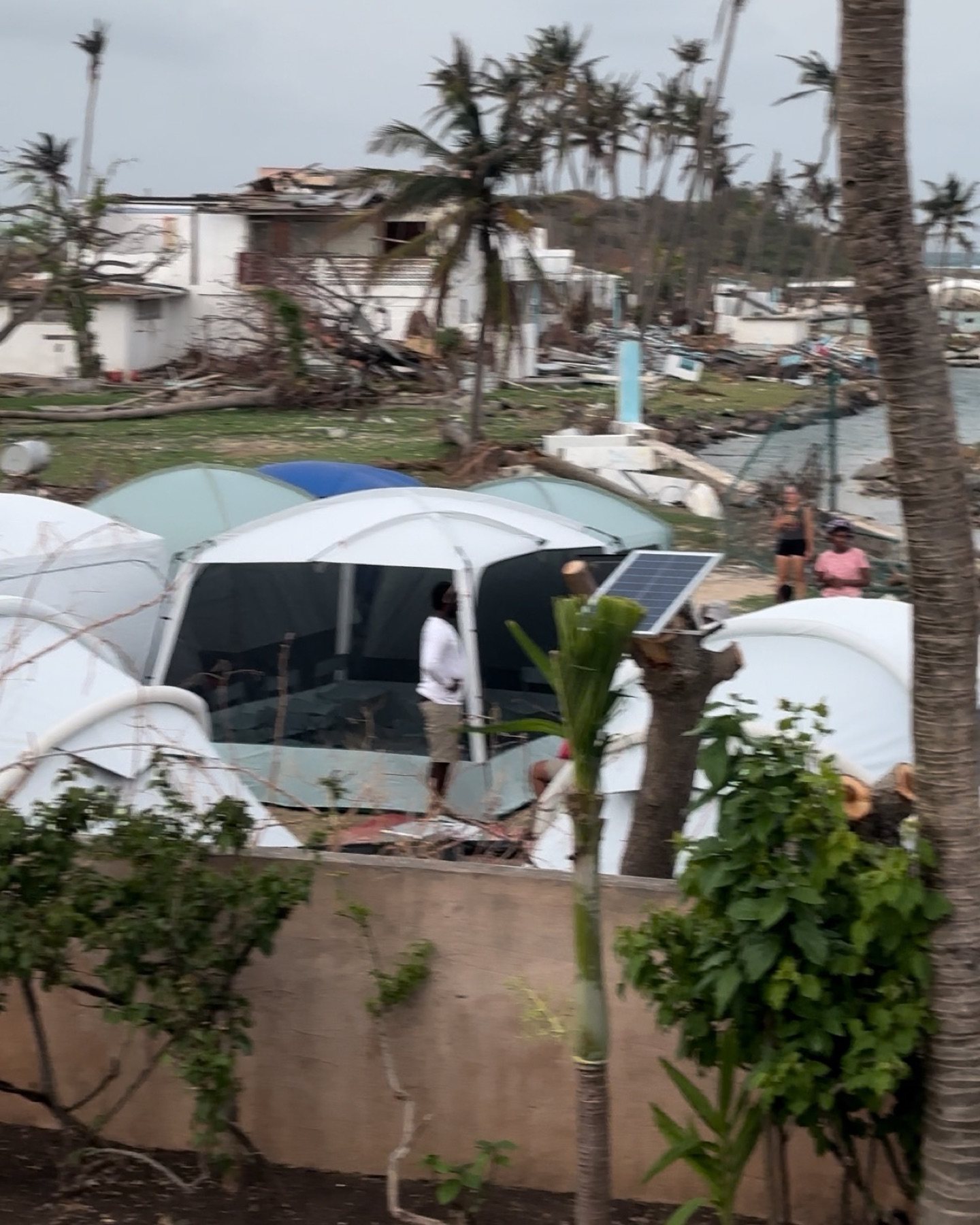
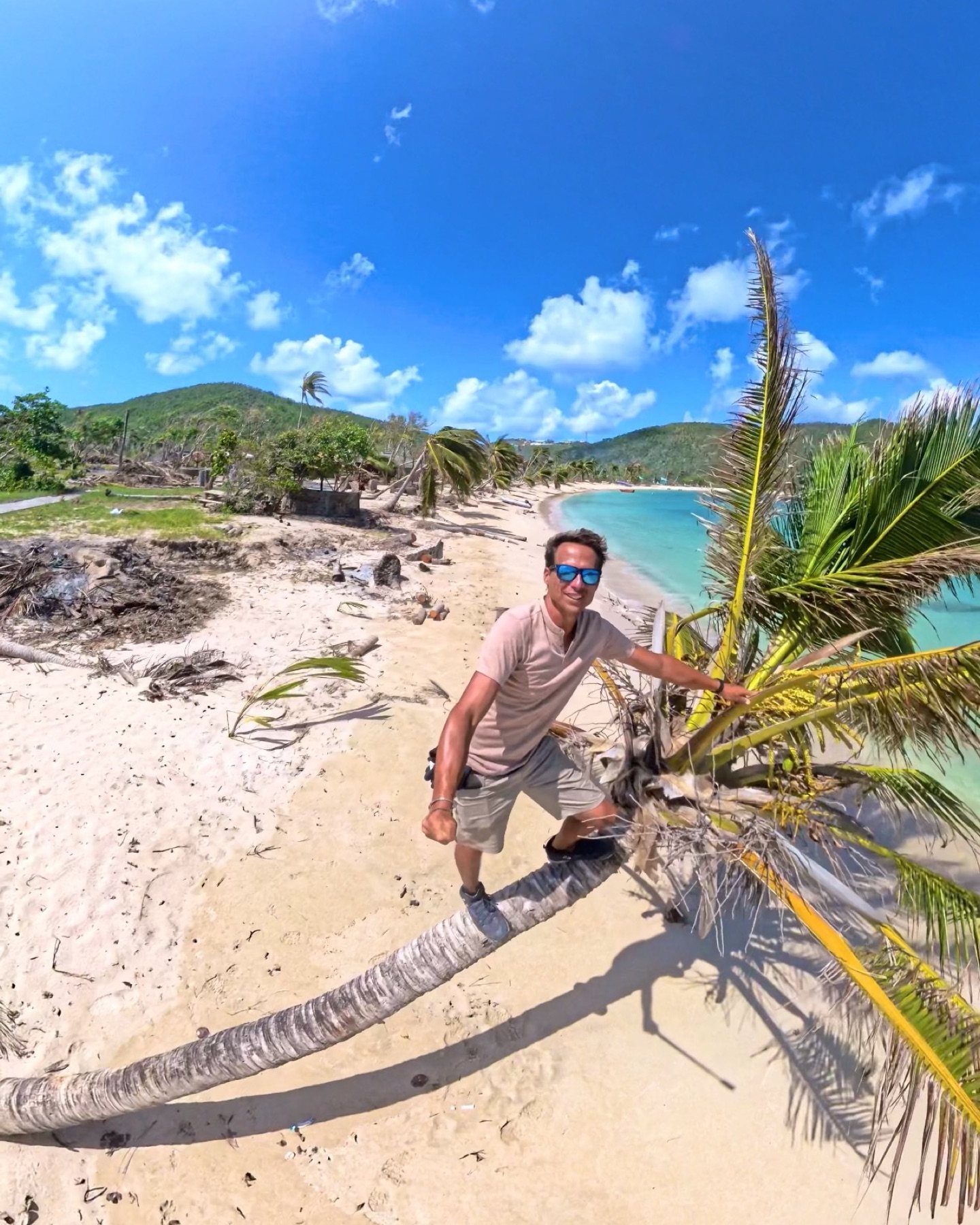
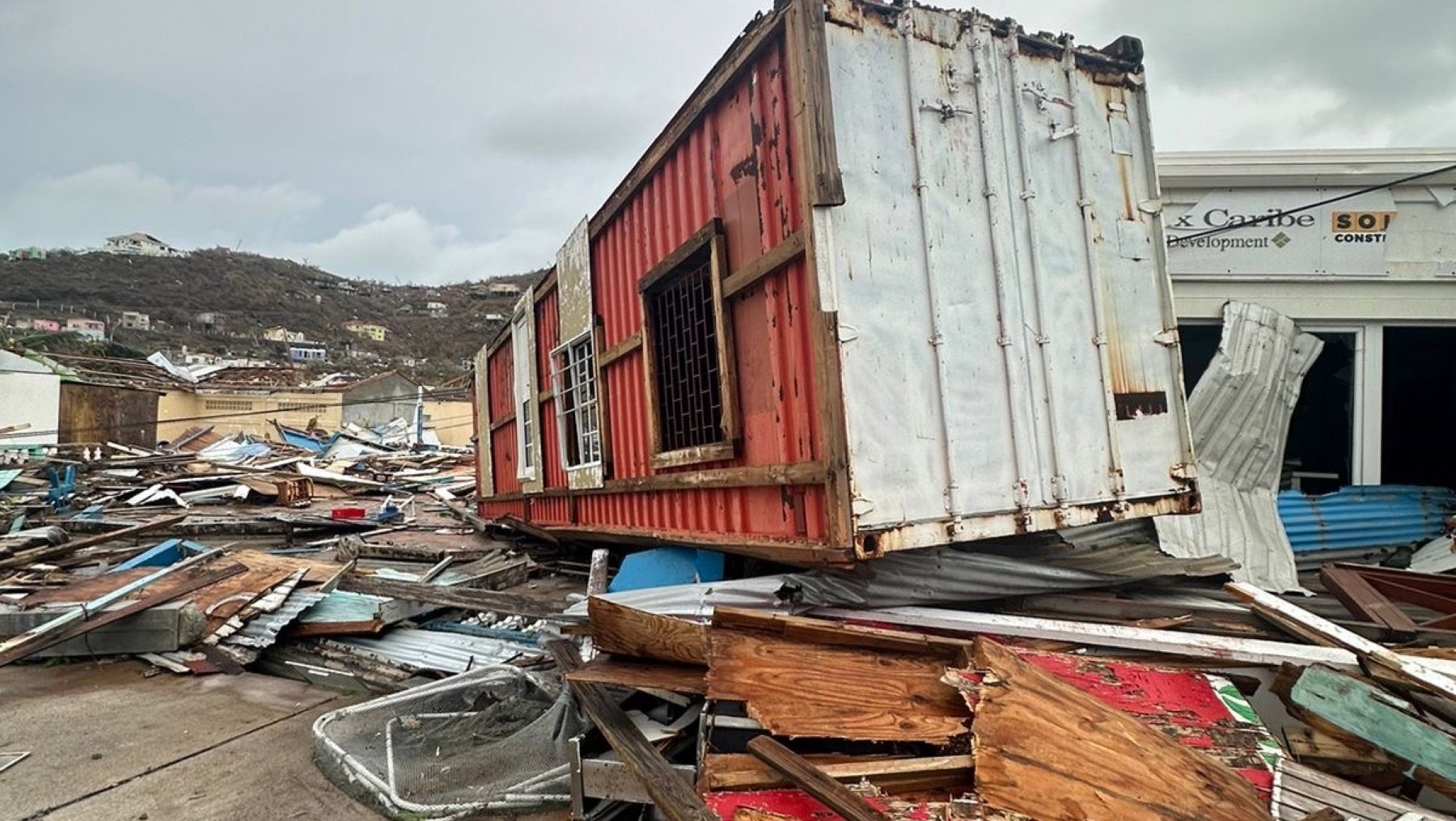
I was lucky to be sheltering in Martinique, because my house was a wooden cabin and was bound to be completely destroyed.
As soon as it became clear how serious the situation was, I turned to my social-media followers and to the trust I had built with them over many years as a professional kitesurfer. I knew that if I could show the scale of what was happening and explain clearly what was needed, we could raise money quickly and get help moving.
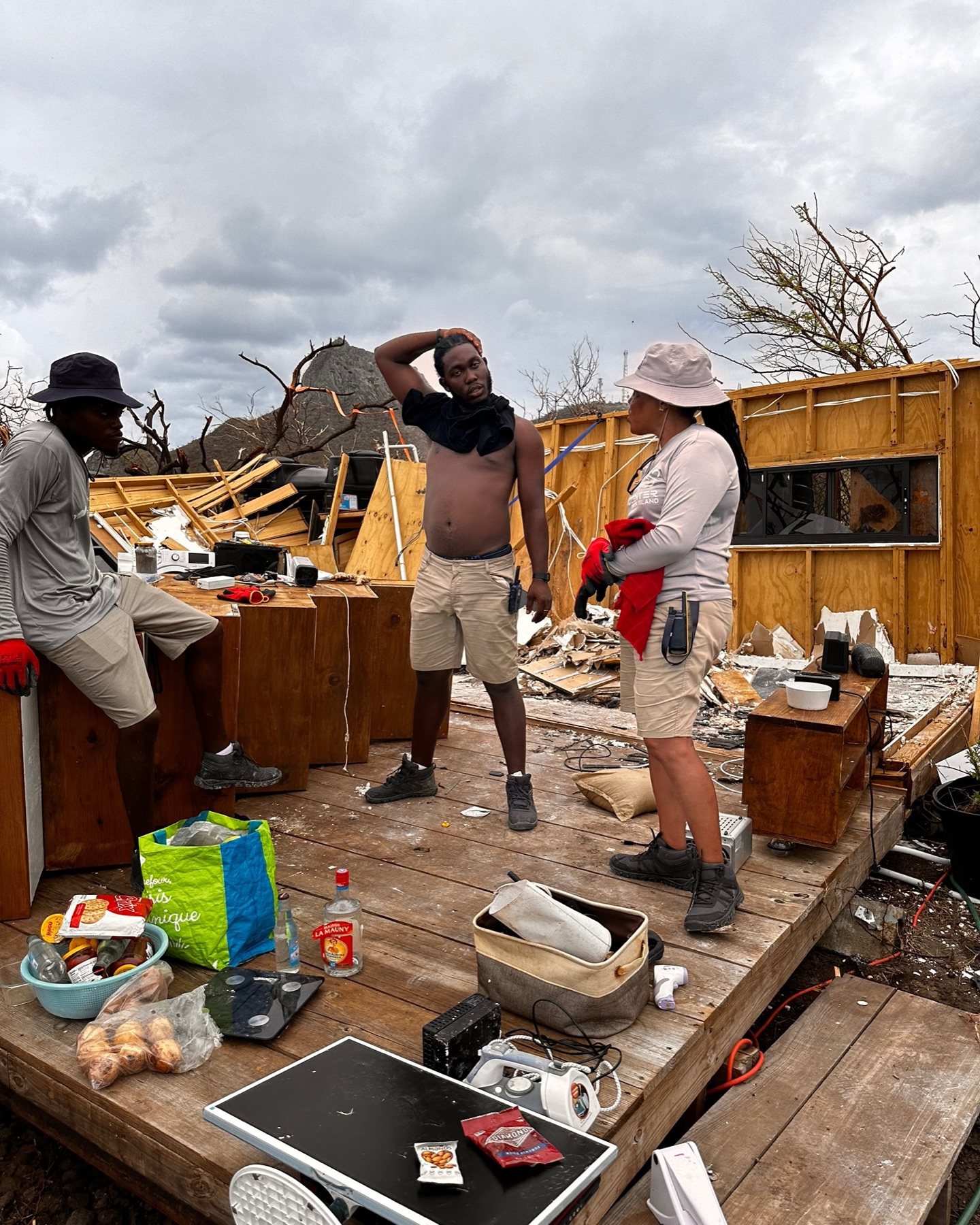
After the hurricane hit and the devastation became clear, I had the chance to fly back to Union Island the same day. My own house and the business I had spent 15 years building had been destroyed. A lot of my personal and business material had been scattered, exposed, or left at risk.
I could have gone back immediately to try to secure what was left. Instead, I made the decision to stay in Martinique for an extra week to organize help.
That first week became almost non-stop work, often 18 to 20 hours a day, glued to the phone, organizing supplies, transport, contacts, media, fundraising, and emergency coordination from morning until late at night.
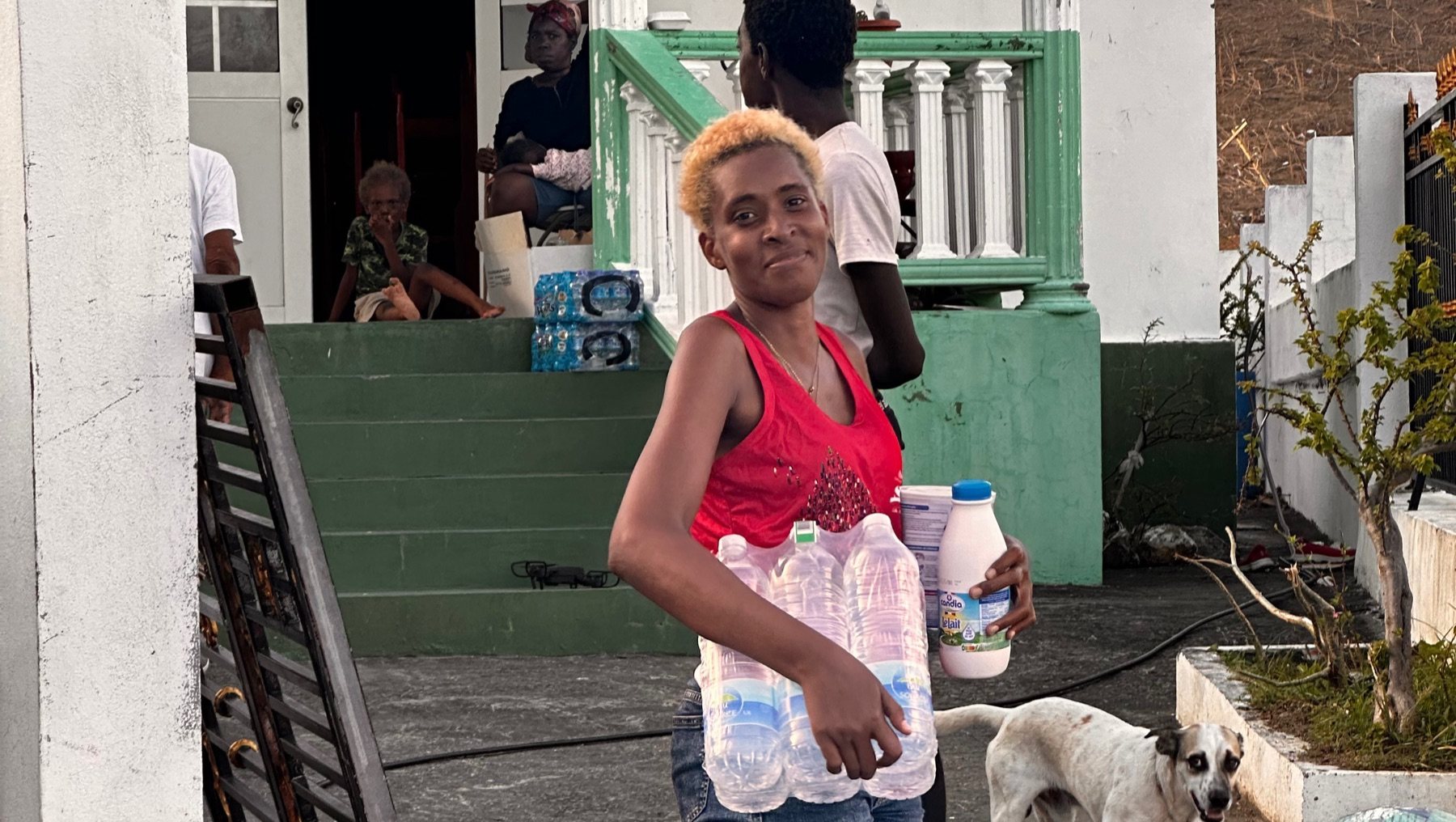
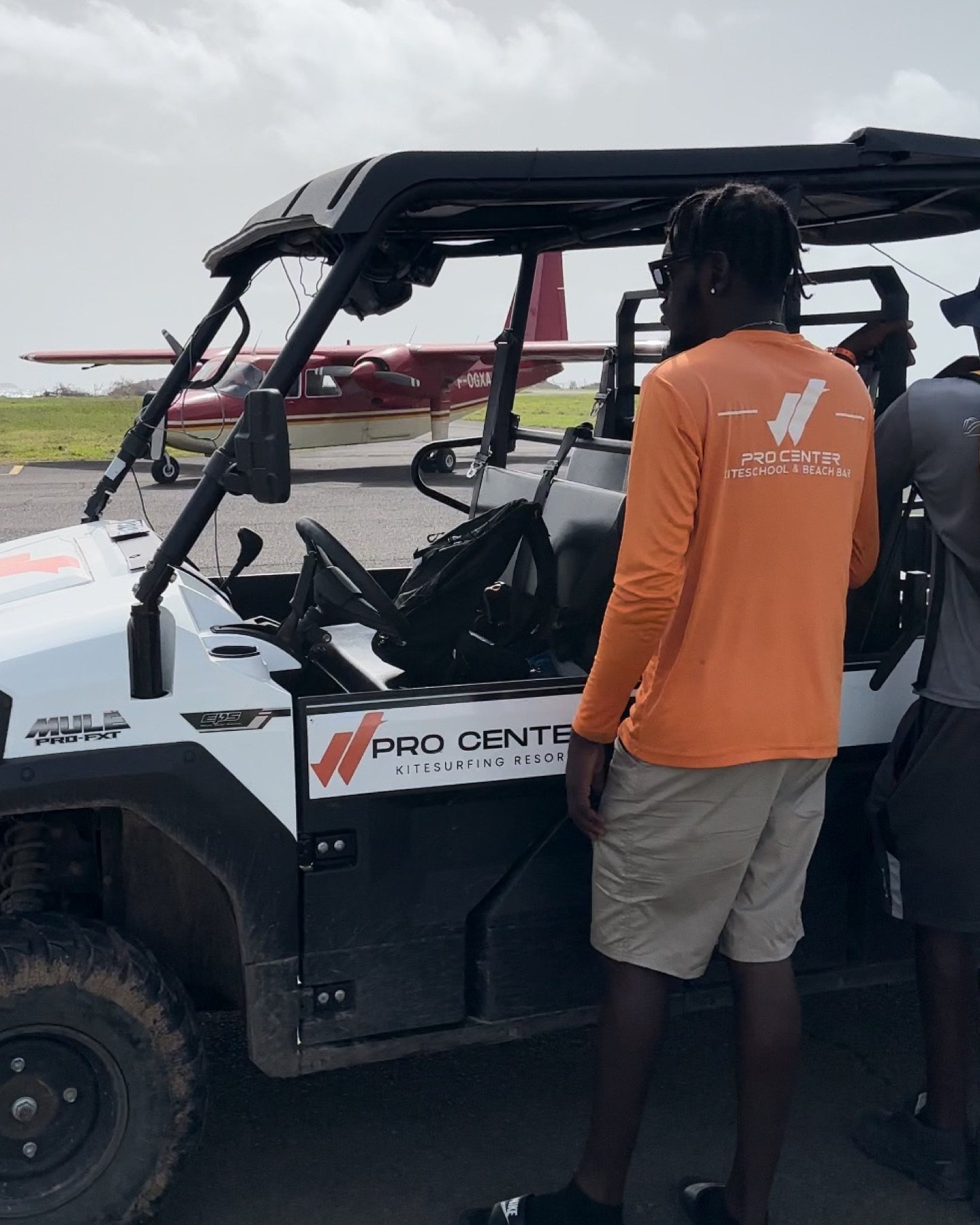
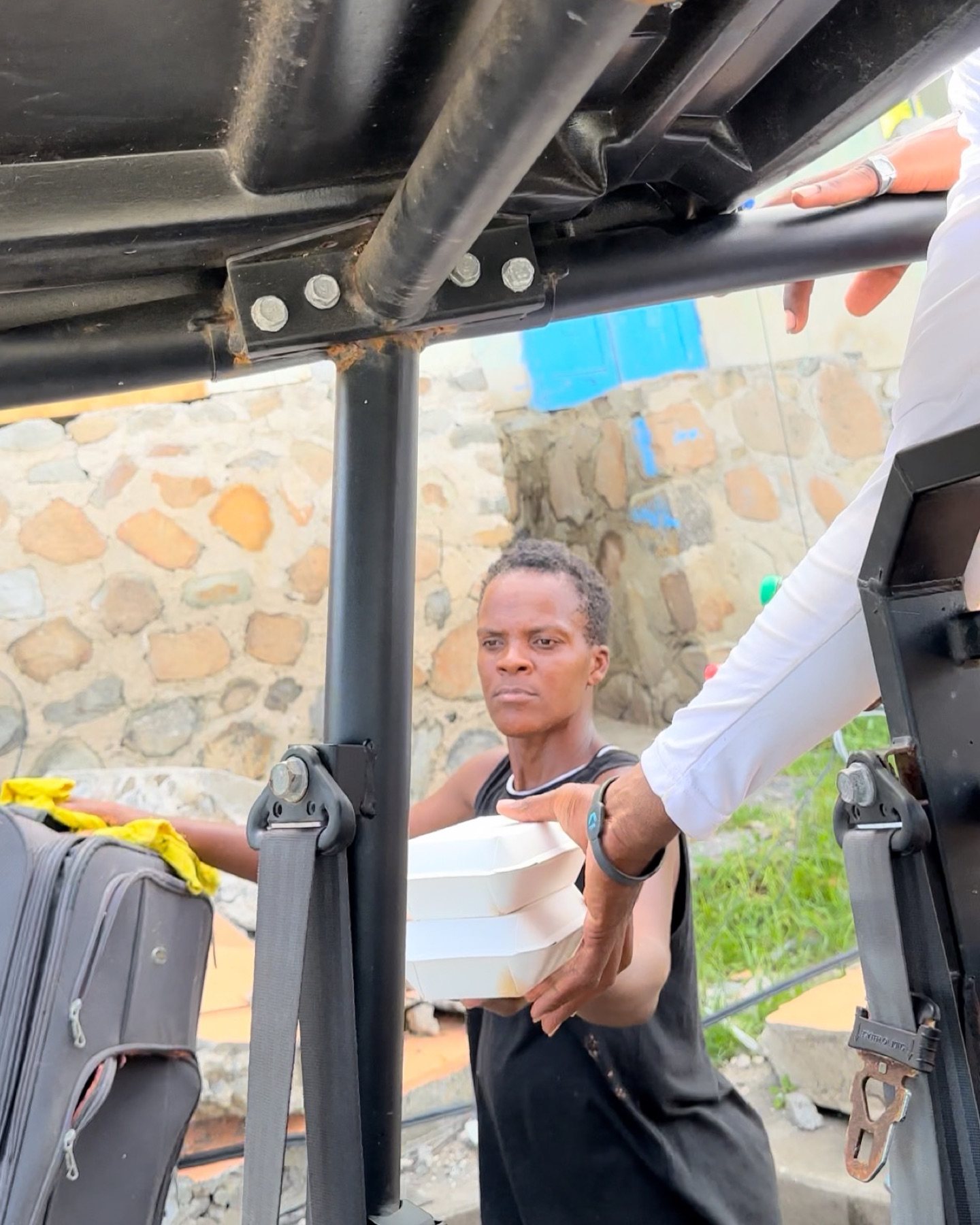
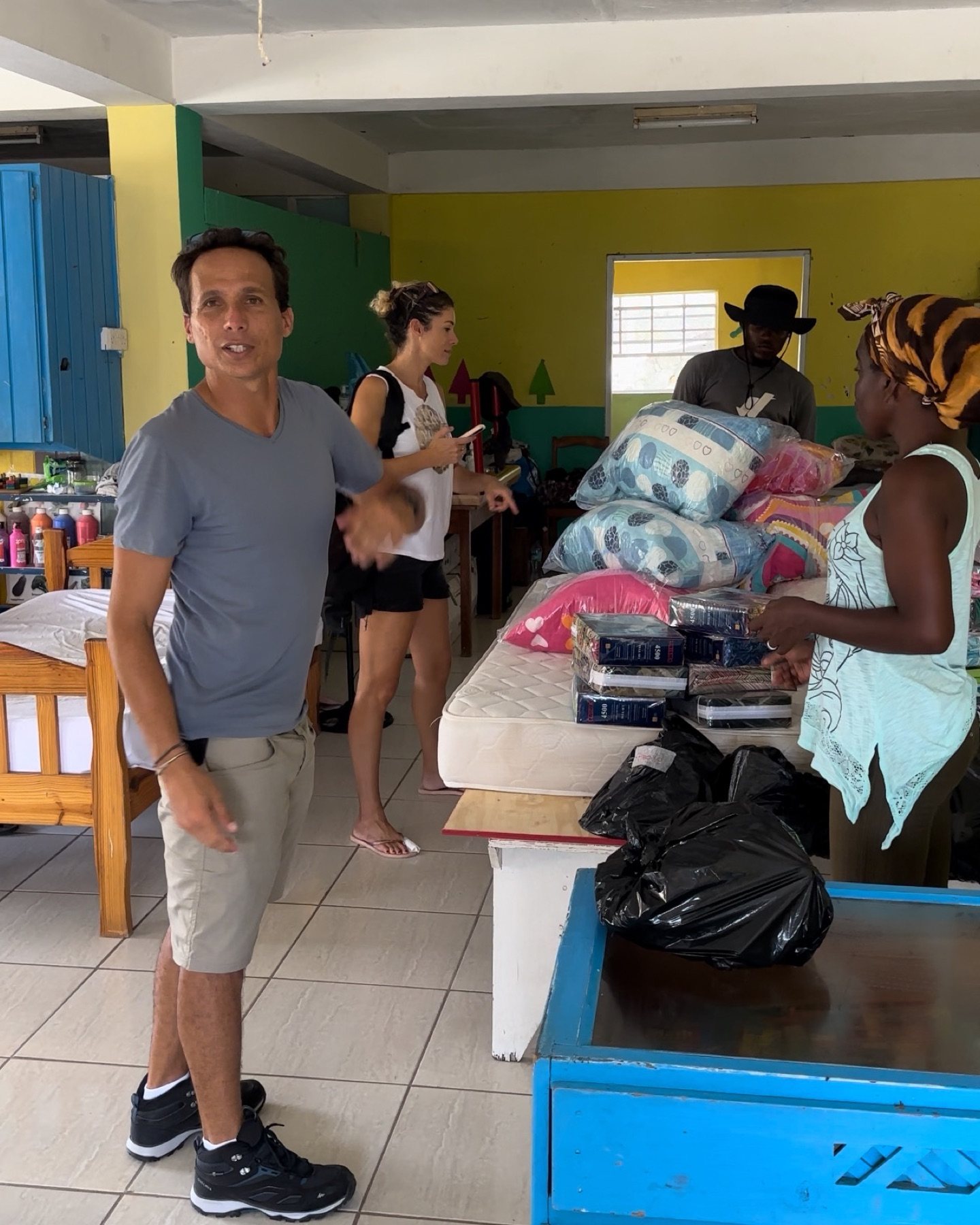
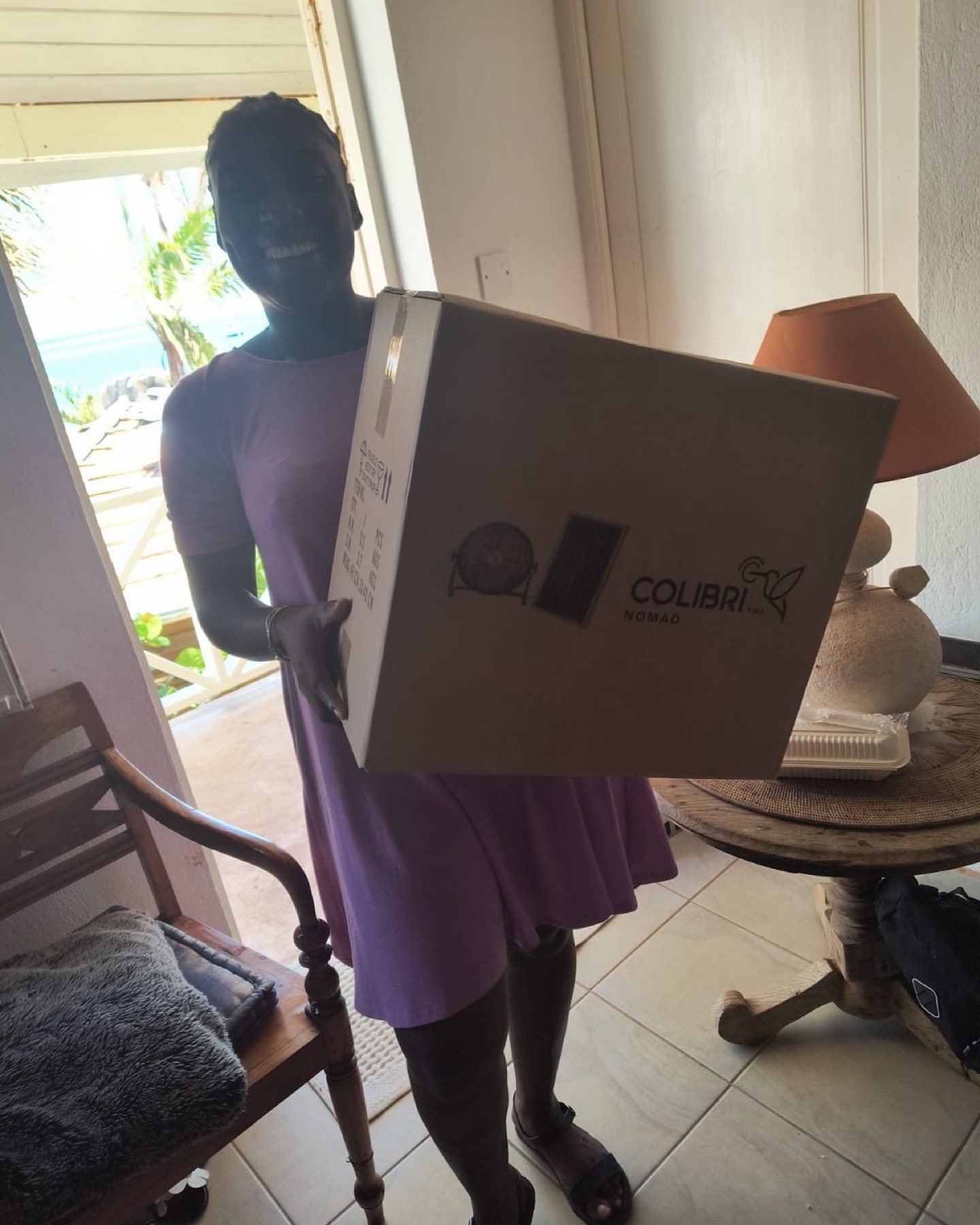
That decision became one of the most important parts of the response. From Martinique, I had access to communications, suppliers, transport, pilots, boats, businesses, media contacts, and emergency networks. I was able to buy supplies, coordinate flights and boats, connect with the French Navy, helicopter crews, journalists, and use my social-media platform to raise funds and bring attention to Union Island.
I was also able to speak to international media, including BBC News and other outlets, which helped show the scale of the disaster to the outside world.
If I had returned straight to Union Island, I would probably have had very limited connection, limited access to supplies, and far less ability to coordinate help at scale. Staying in Martinique meant I could organize much more than I ever could have from the island during those first critical days.
During that time, some of my remaining property was looted or disappeared. I knew that was happening, but I believed it was more important to stay focused on the wider recovery effort and hope that our staff and people on the ground could secure what they could.
I received no insurance compensation and no government support to rebuild what I had lost. I also chose not to launch a personal GoFundMe for my own house or business, even though my audience and social-media following may have supported one. Instead, I used my platform to raise money for Union Island and for the people affected by the hurricane.
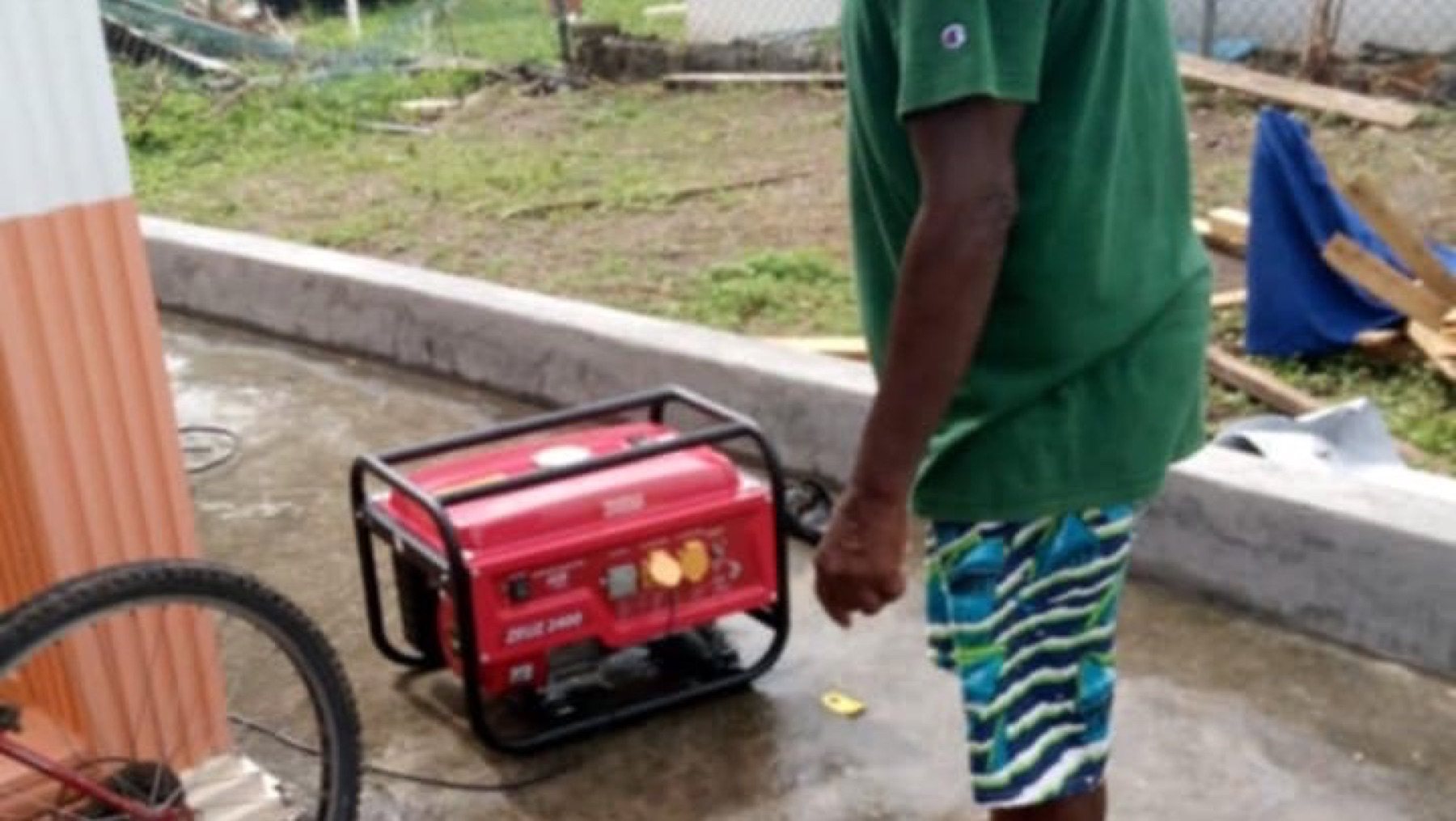
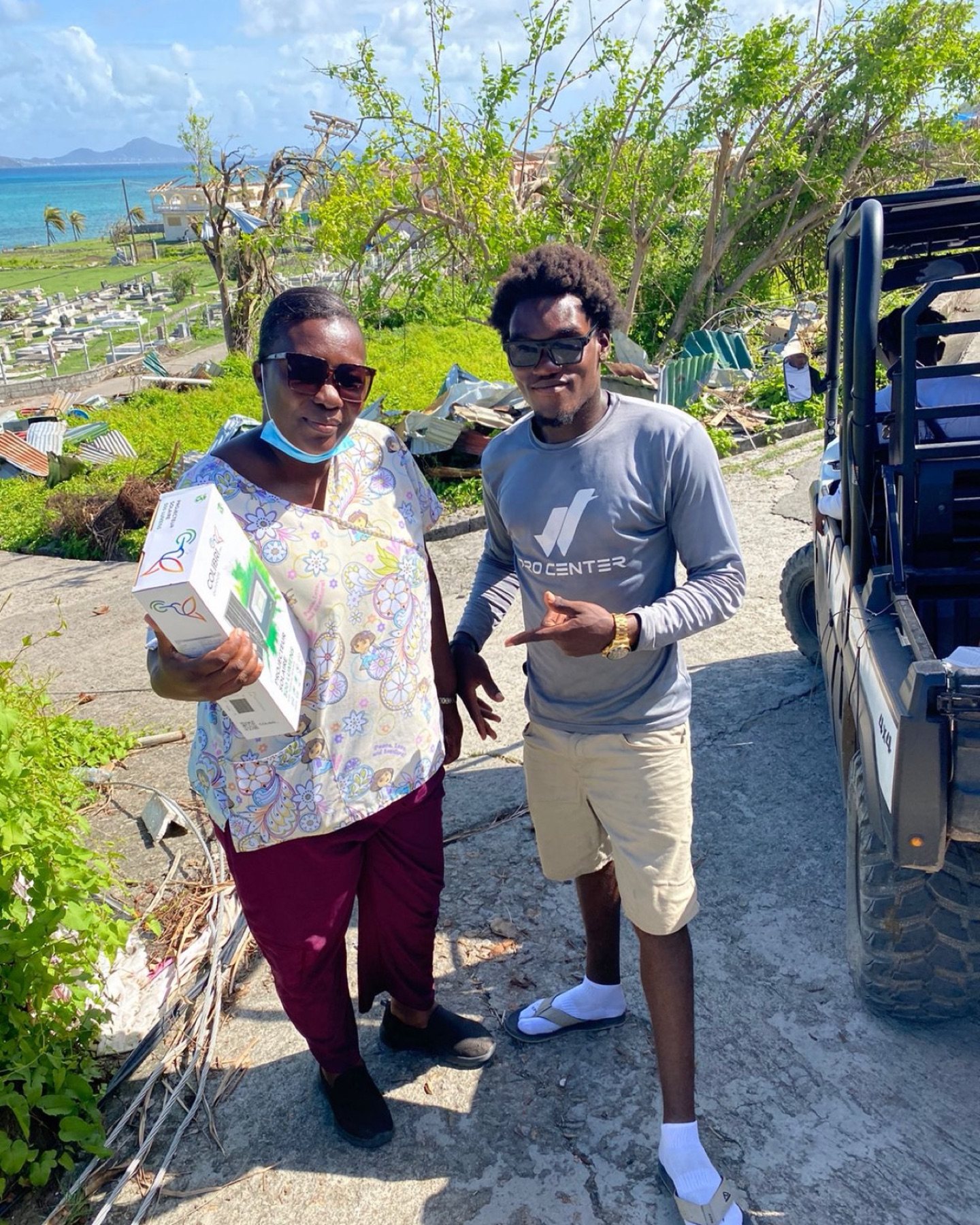
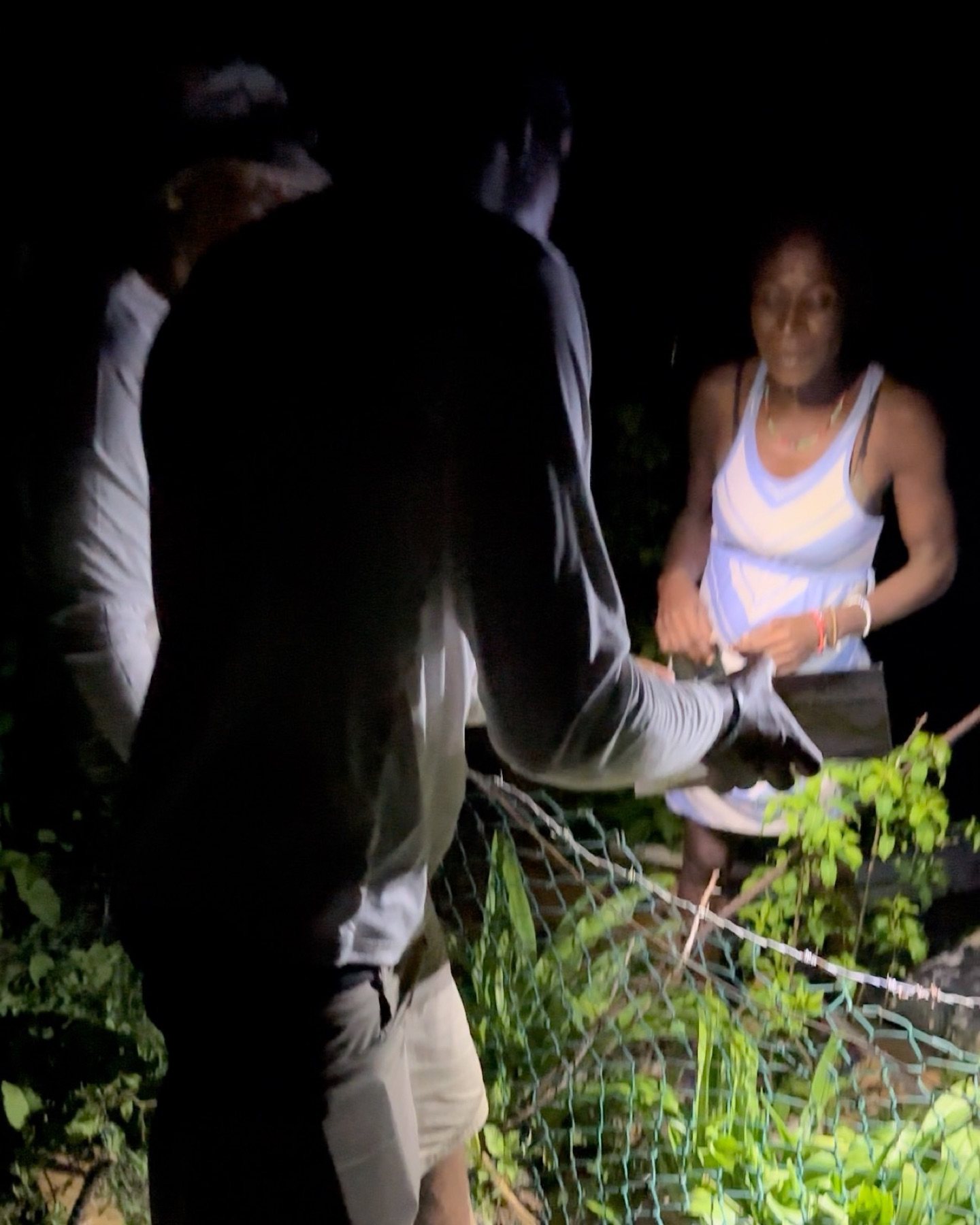
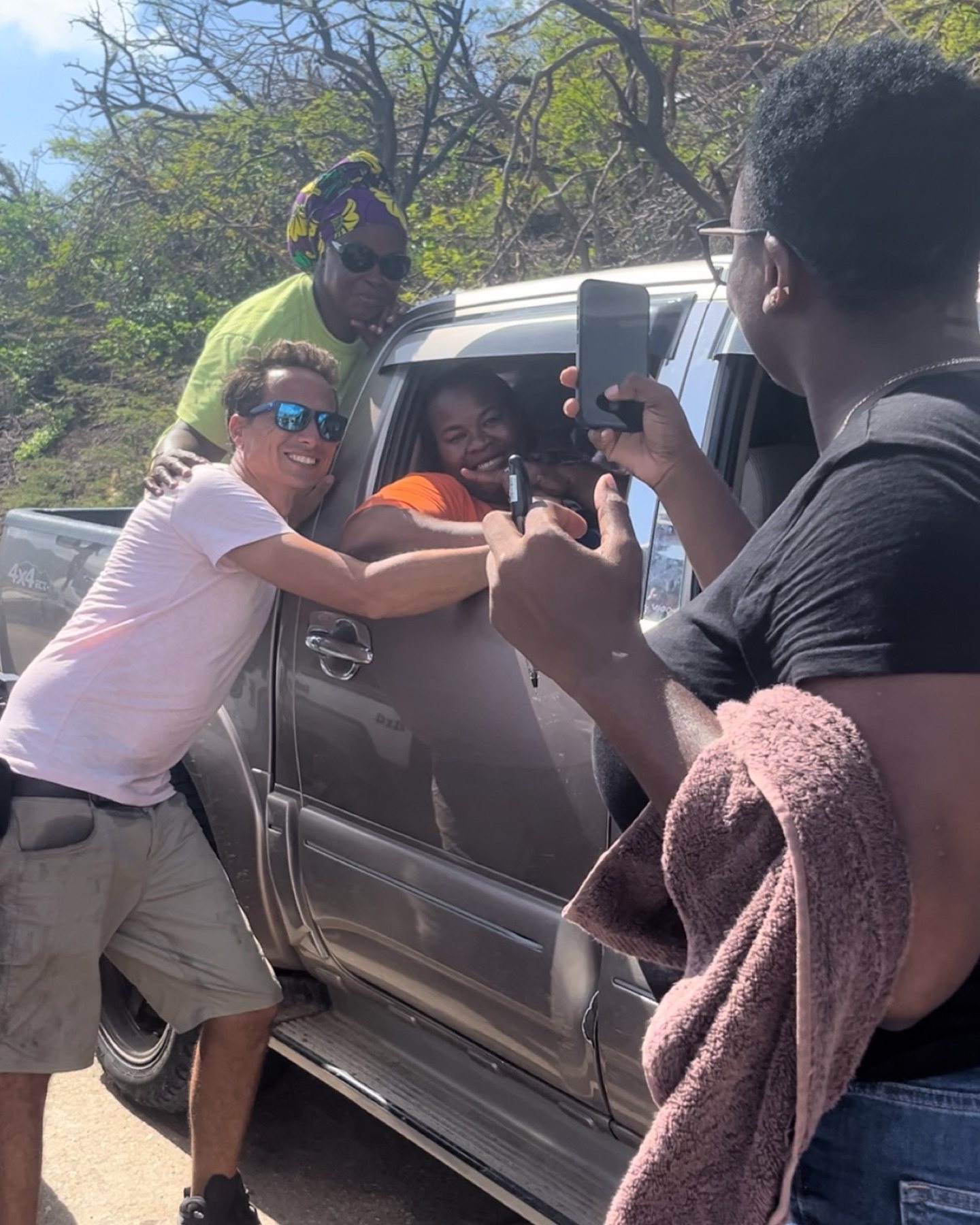
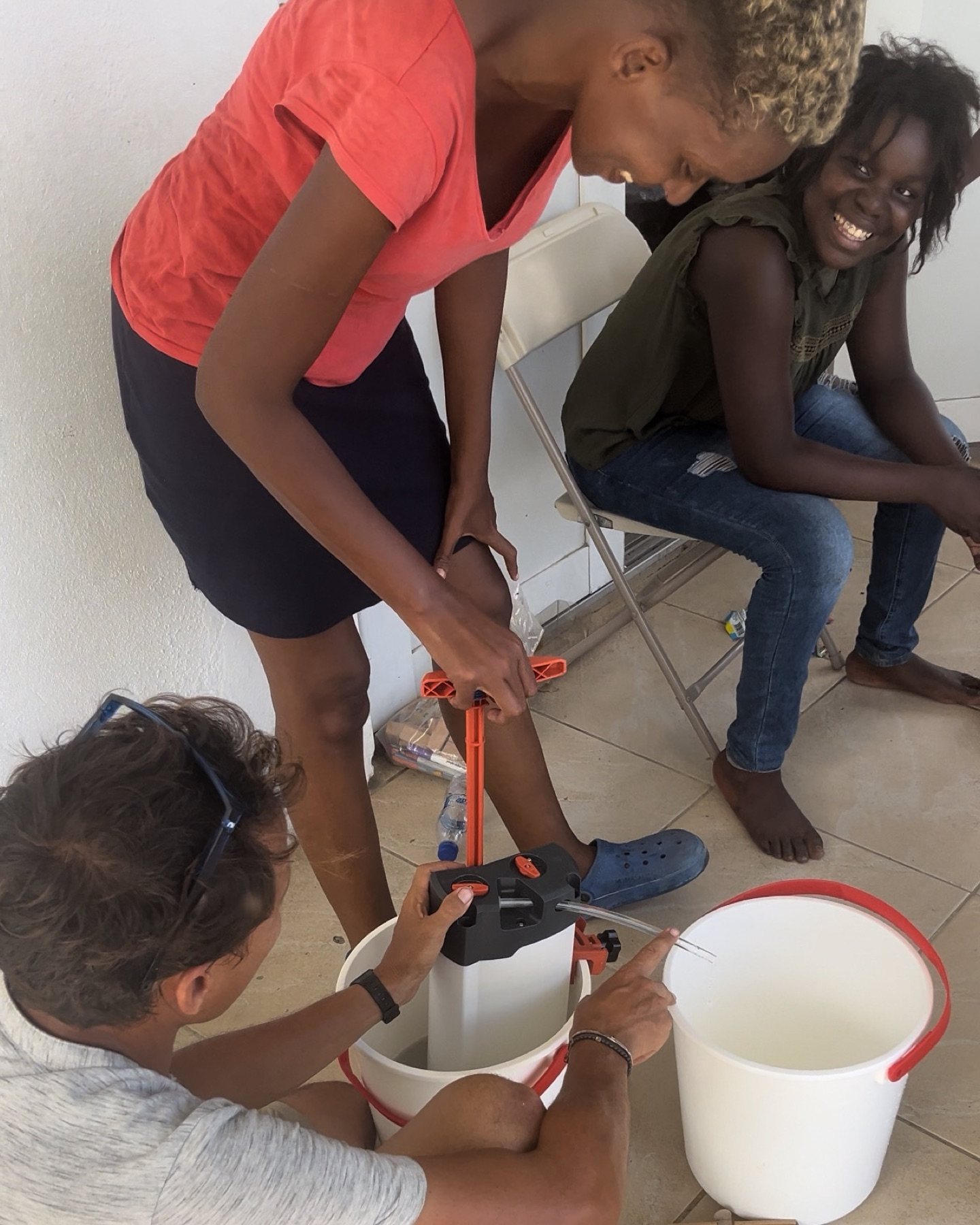
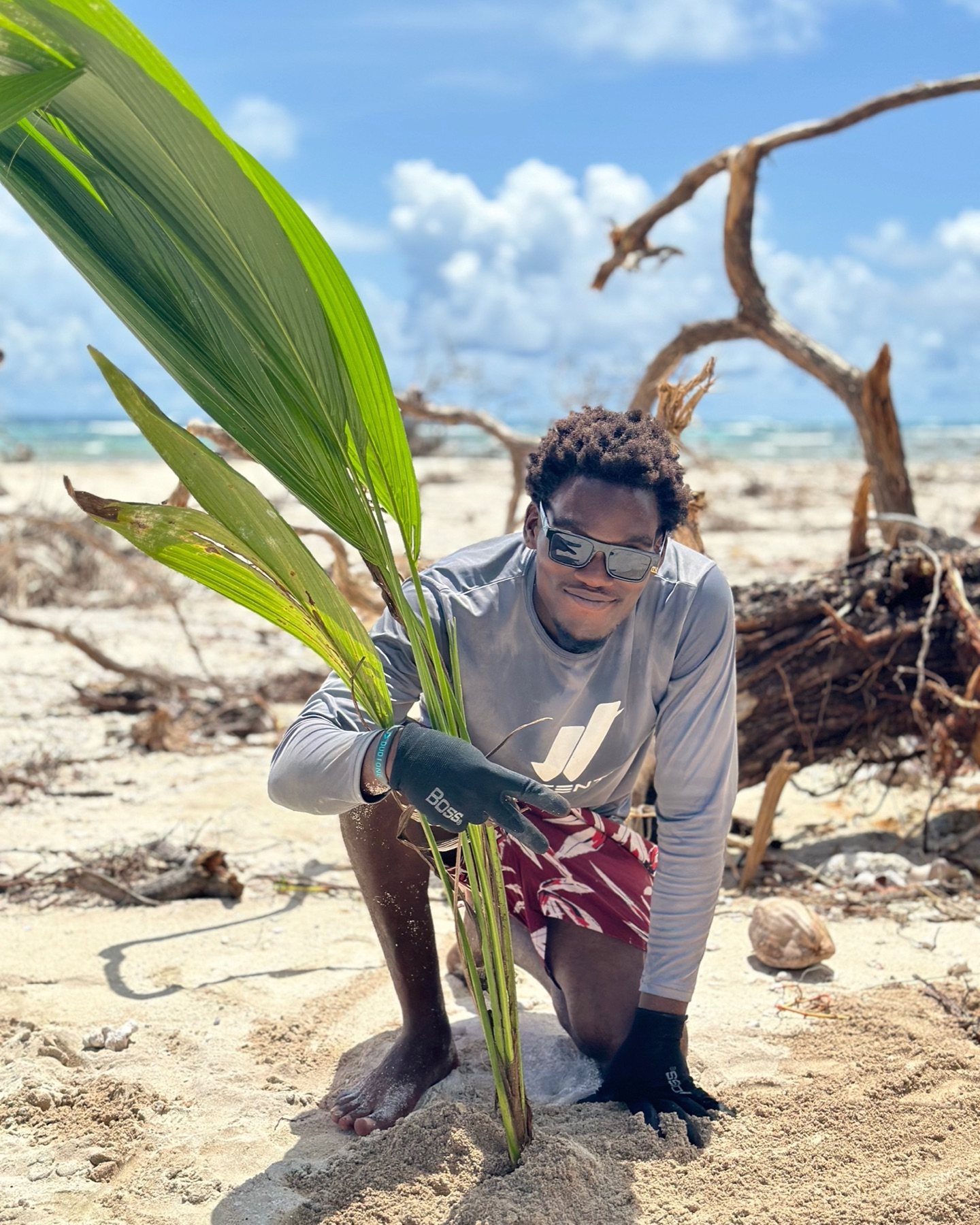
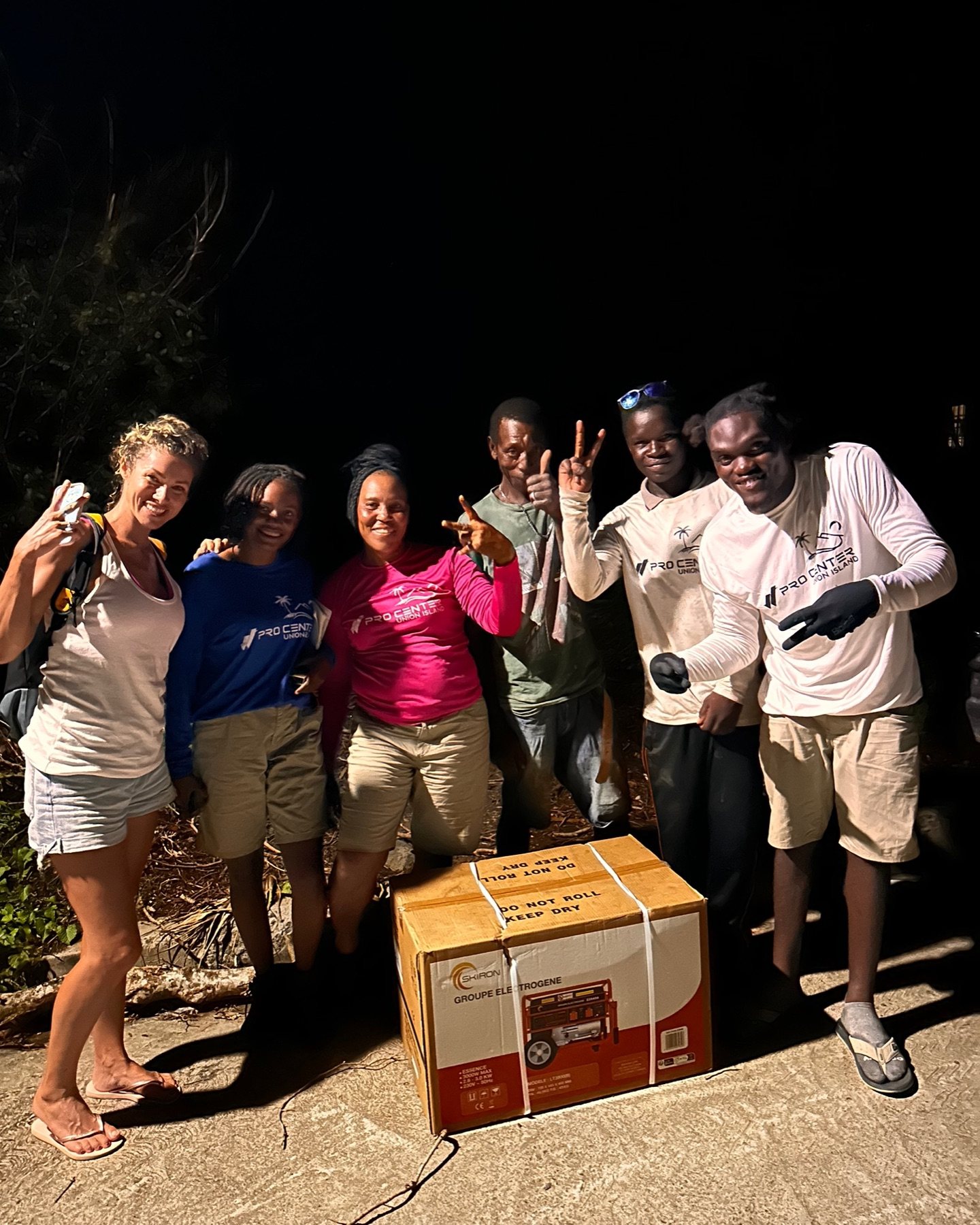
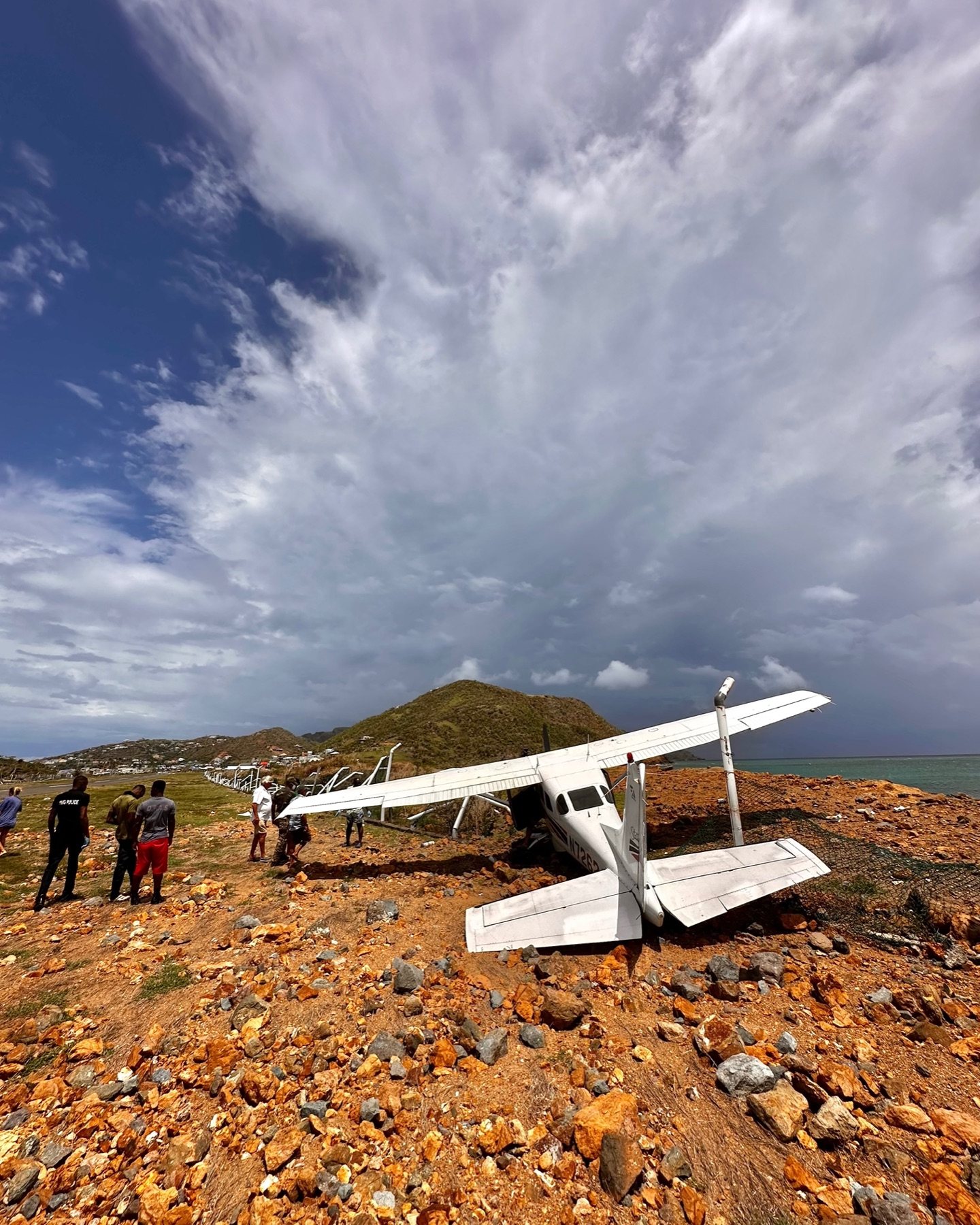
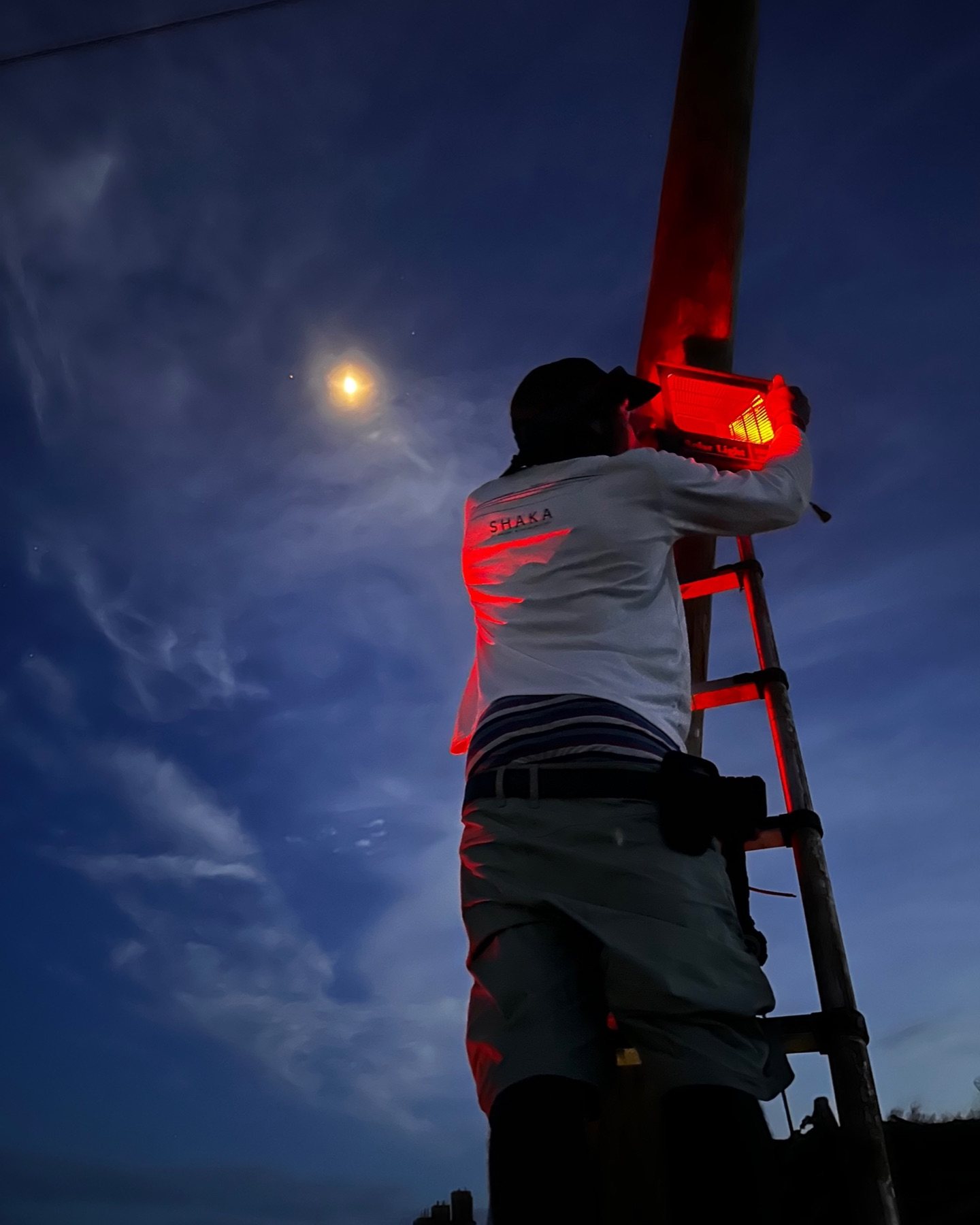
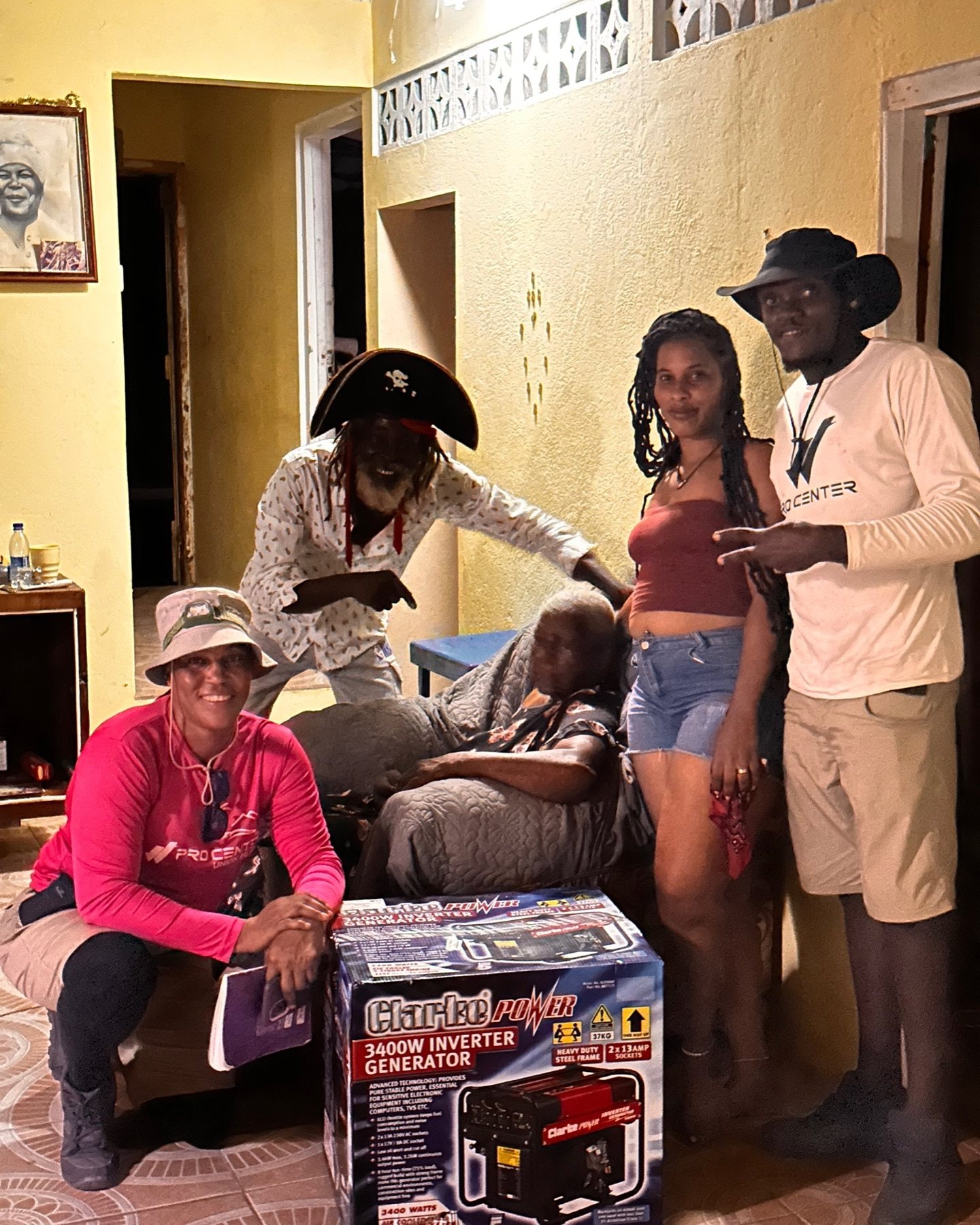
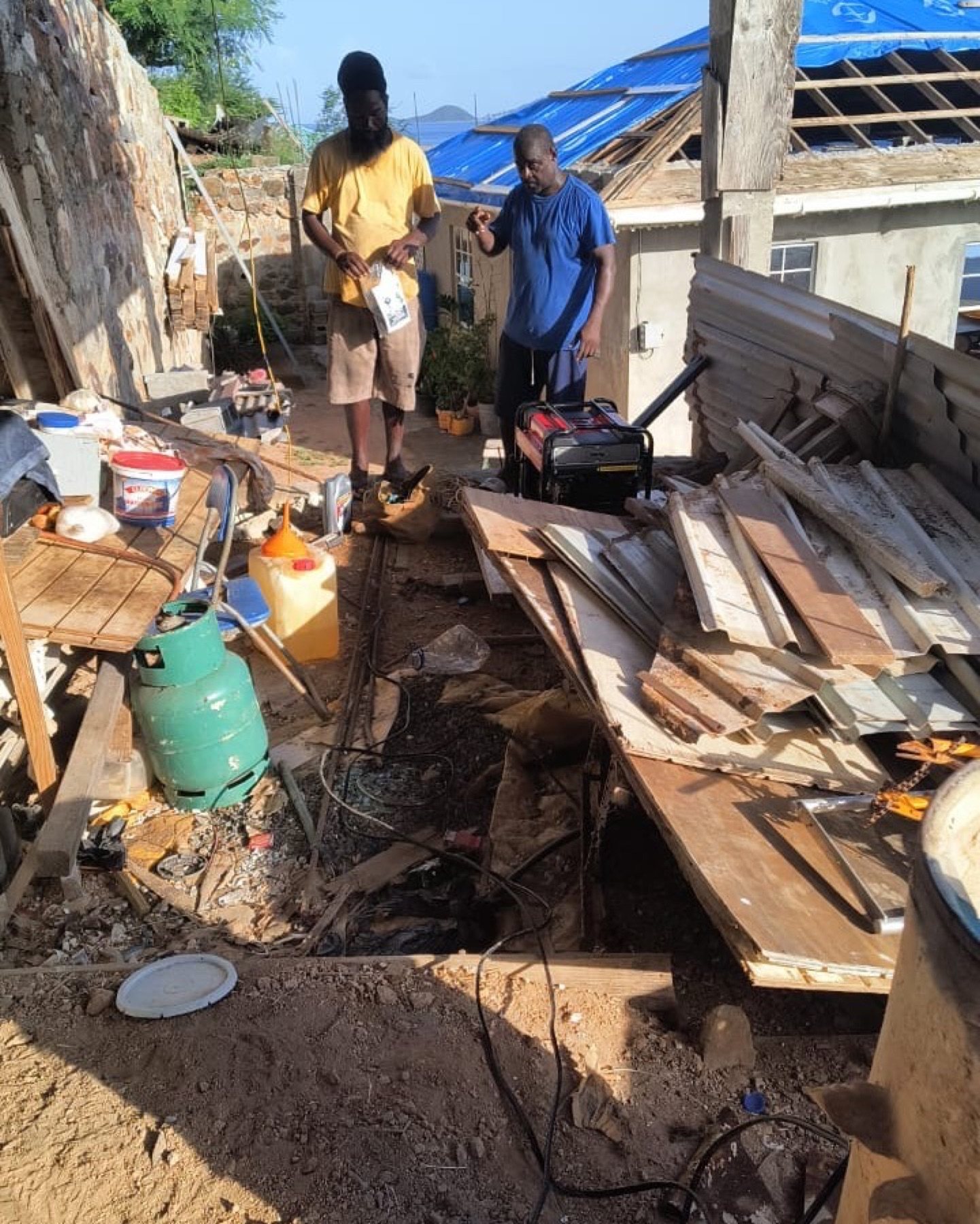
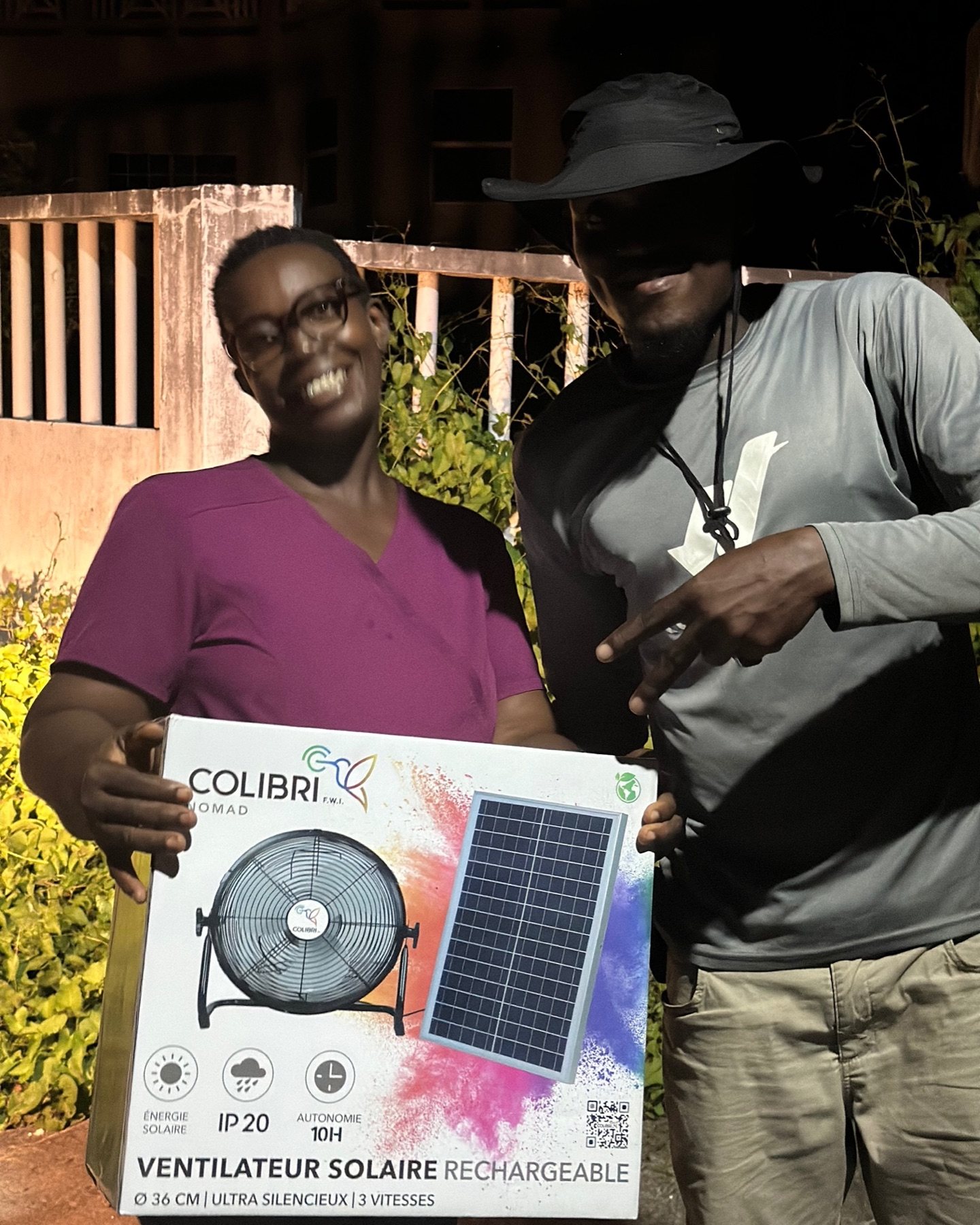
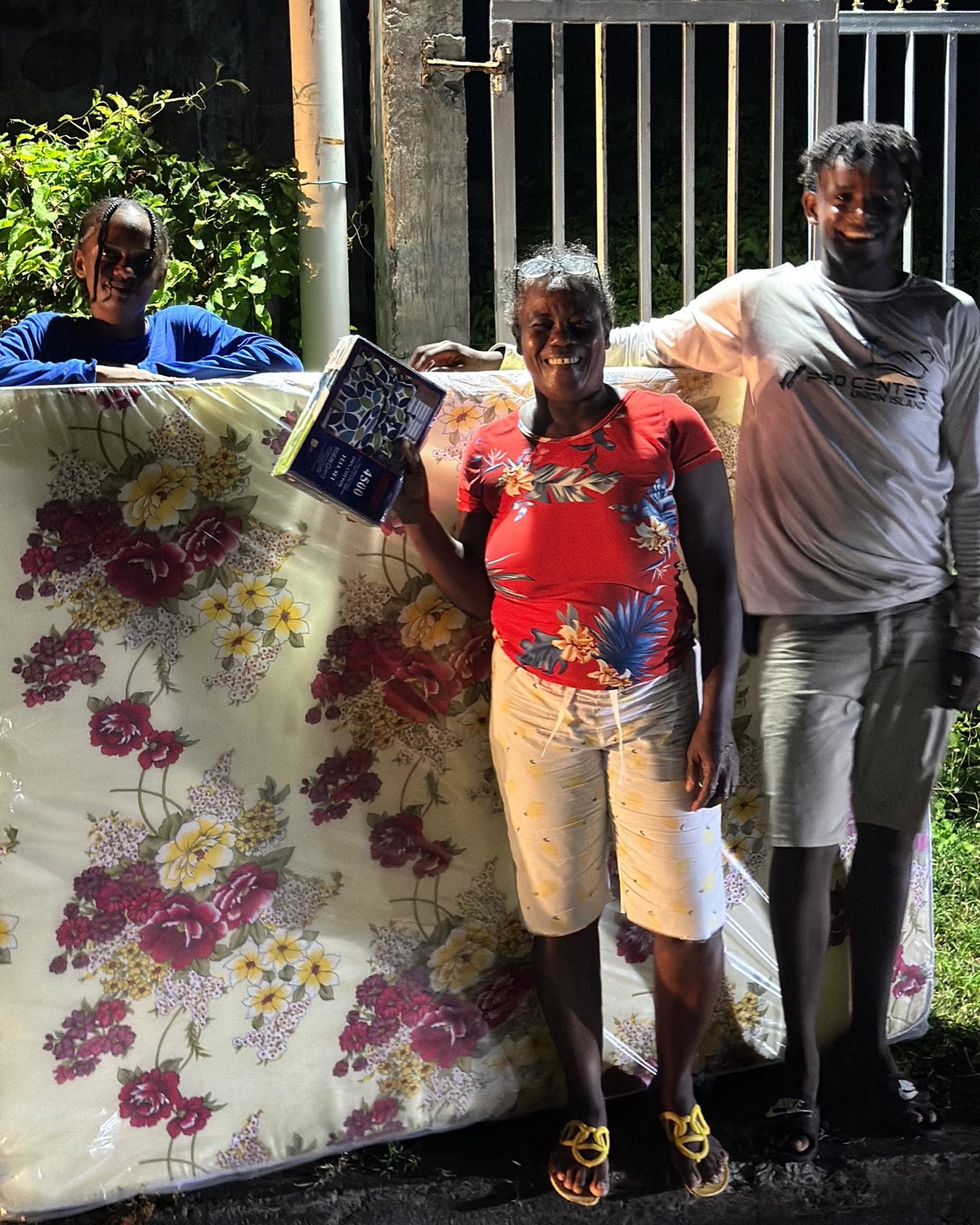
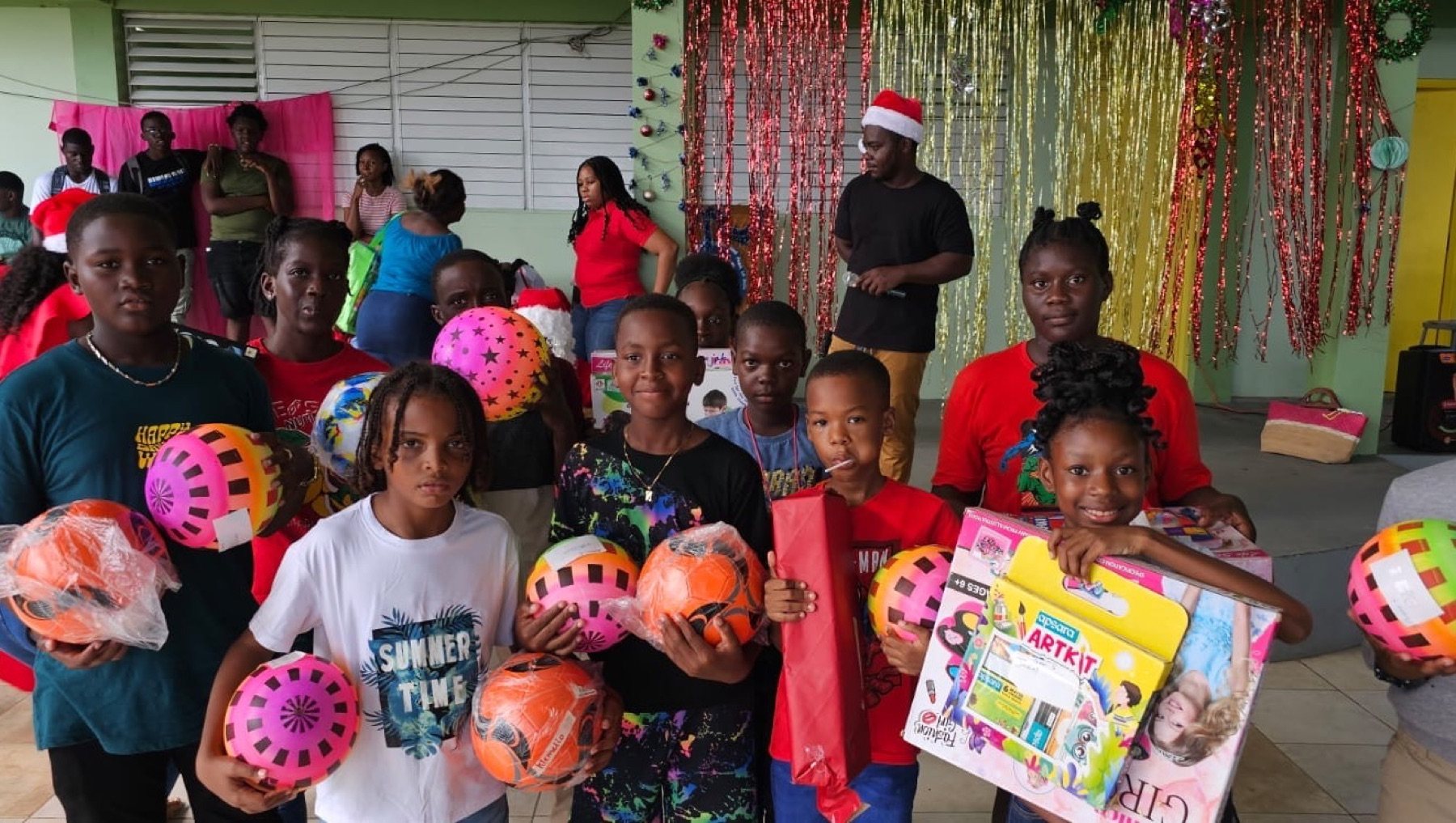
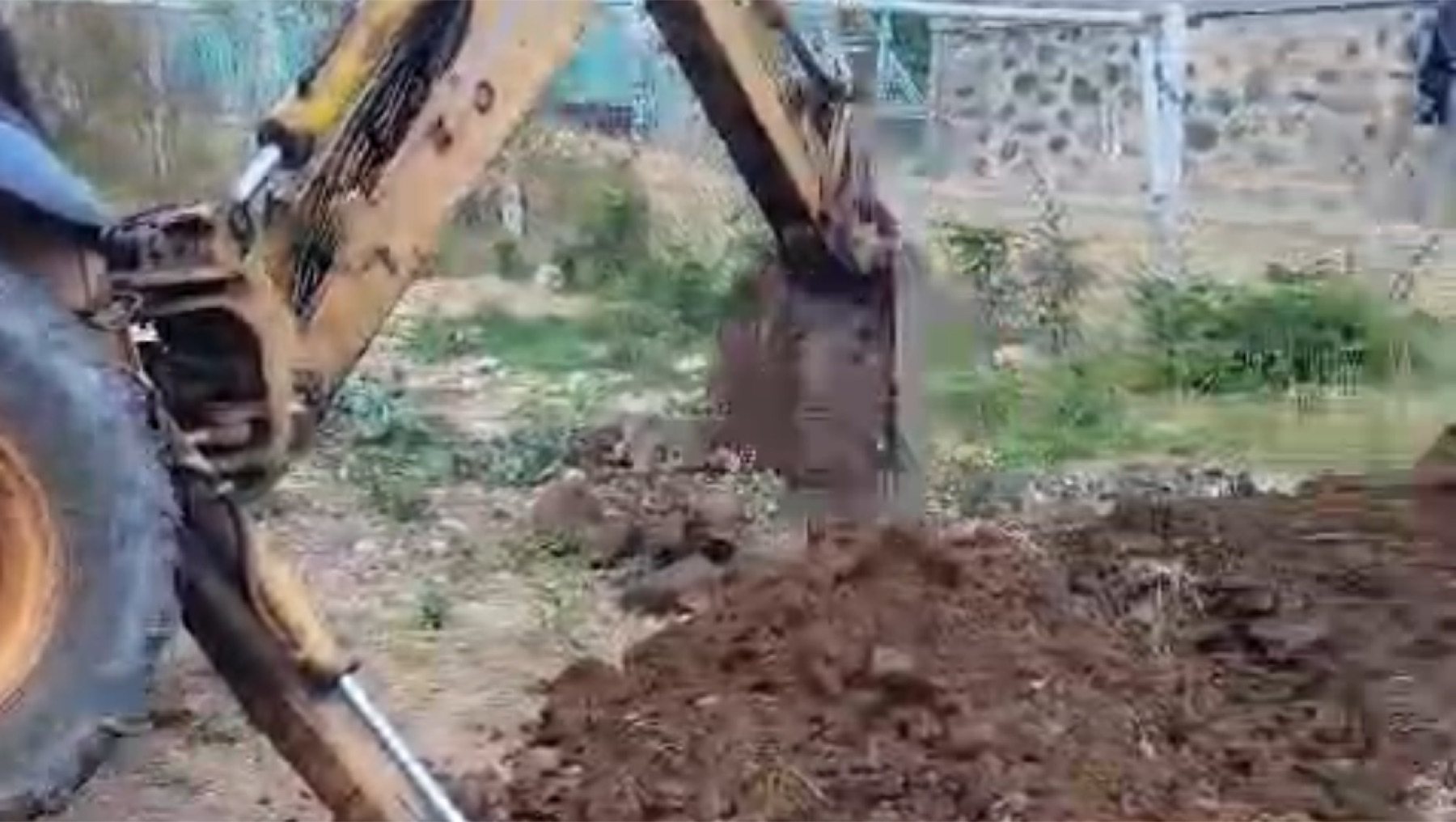
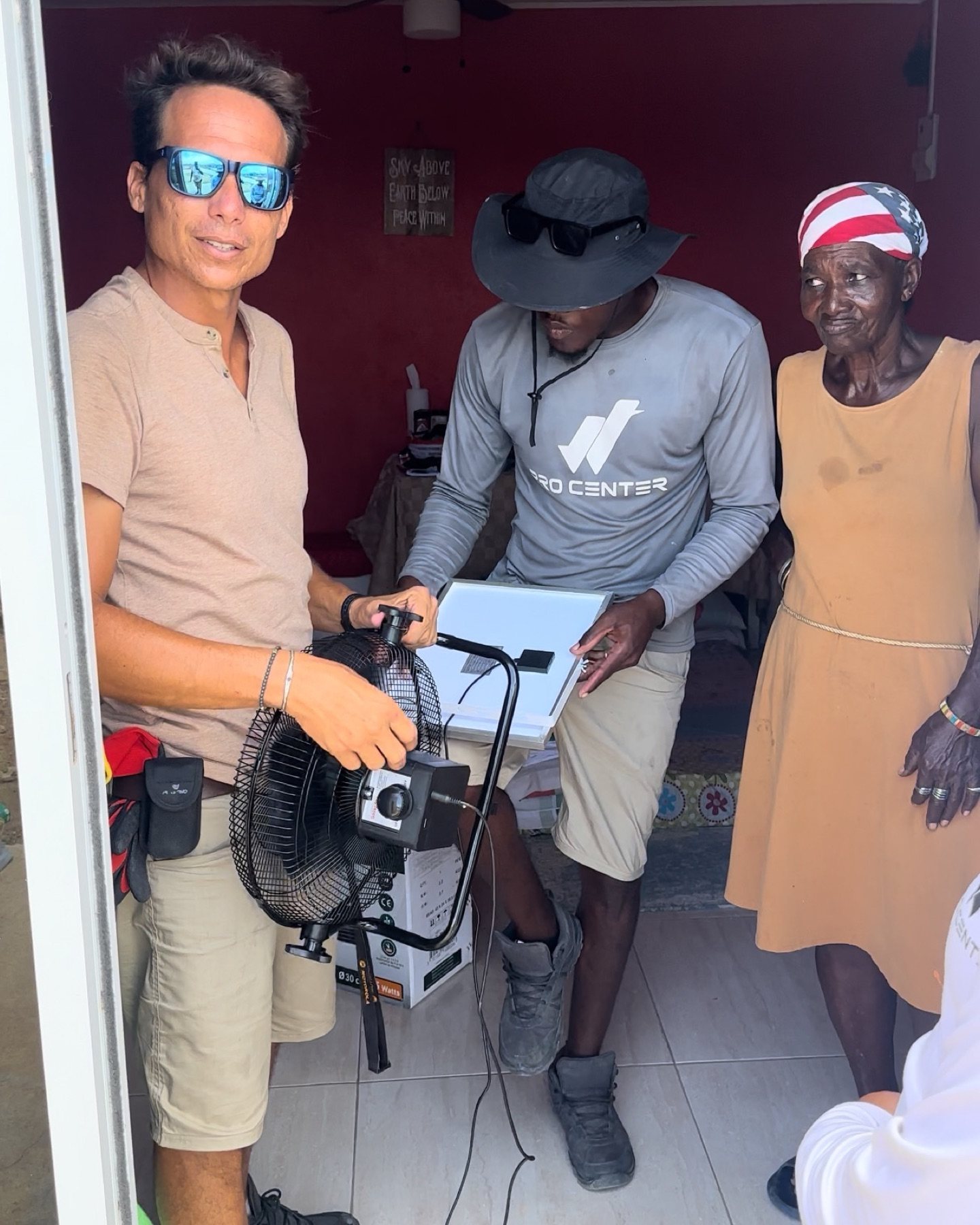
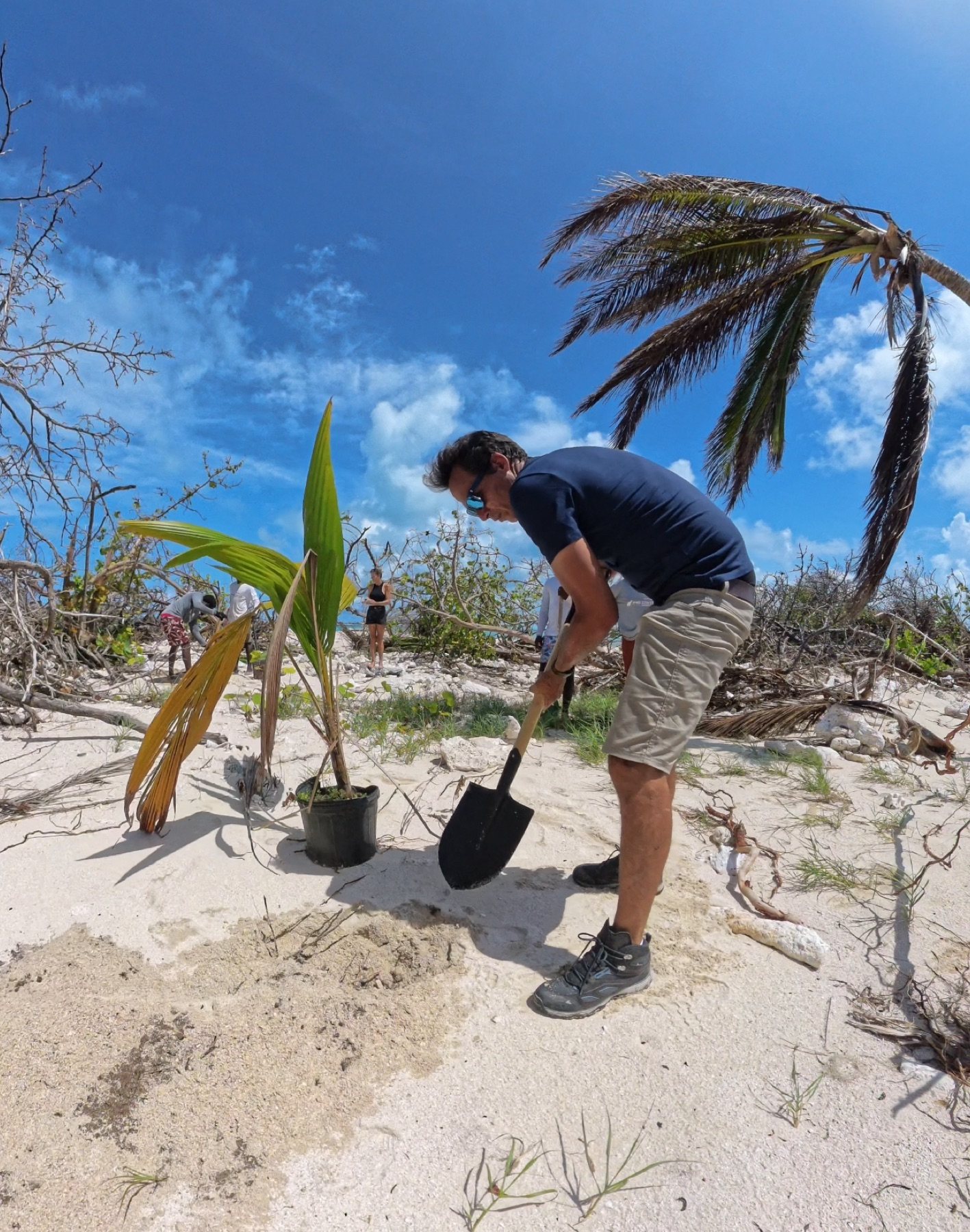
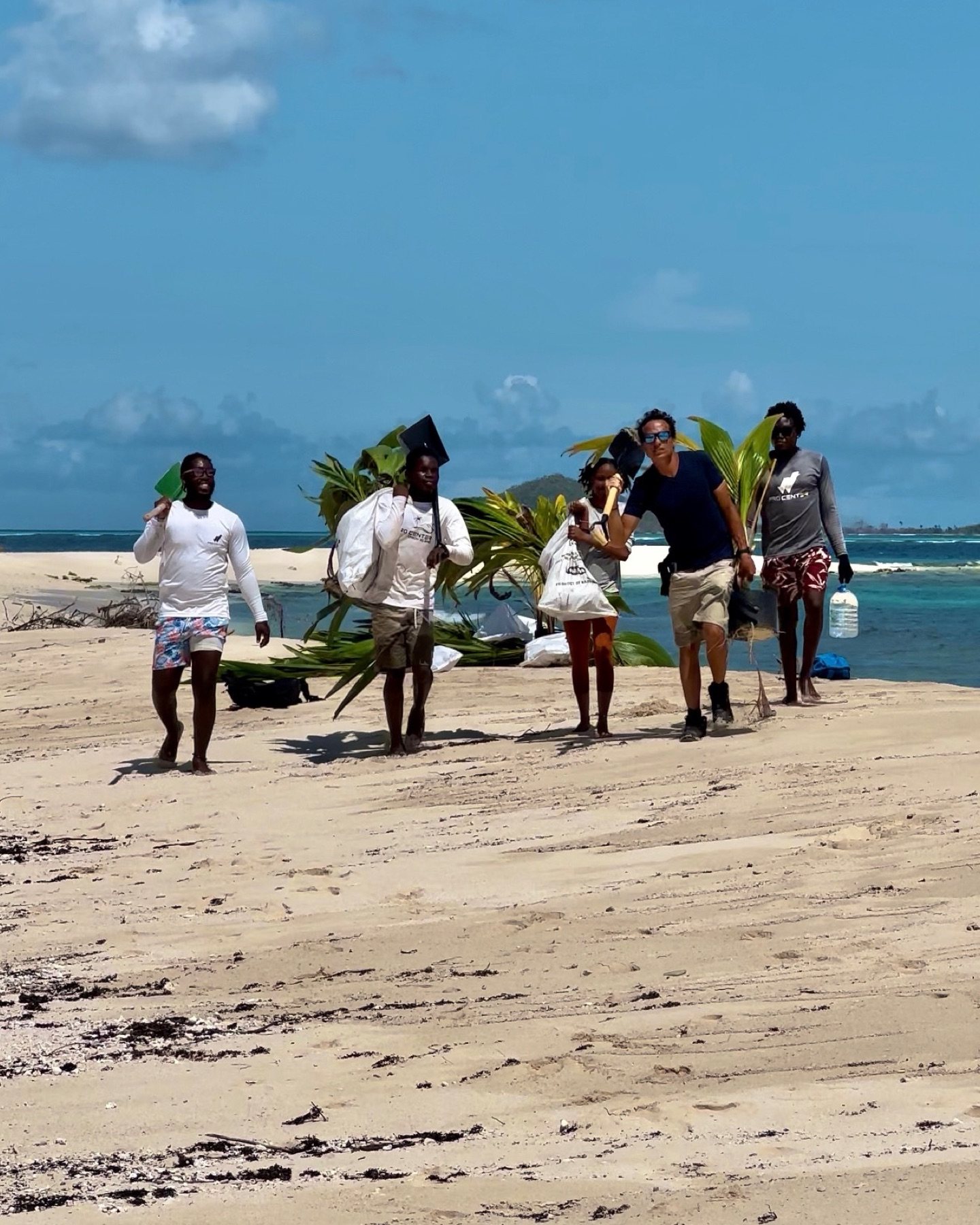
What started as an emergency GoFundMe request became a major rescue and relief effort for Union Island, carried forward with the help of many committed people on the ground and abroad. The work quickly became full-time, with hundreds of urgent projects, supply runs, deliveries, repairs, emergency actions, and constant decisions about where help was needed most.
I felt a strong responsibility for every donation received. My goal was to make sure the money went directly to people in need and created the maximum possible impact. That responsibility was heavy, and the work took a serious toll physically and mentally.
During the months of emergency work, I dealt with several foot infections, including one severe infection that required hospital treatment. I also absorbed many costs myself, separate from the documented donor-funded relief register.
Beyond the documented expense register, I personally absorbed additional thousands of dollars in cash spending, material losses, vehicle use, wear and damage, and months of unpaid time. These costs were part of the wider relief effort, but they were not reimbursed or claimed from the donor-funded register. They were absorbed personally as an additional contribution to the recovery.
I do not regret doing it. But I also learned that a recovery effort of this scale, led so directly by one person and a small committed team, can take a real toll physically, mentally, and financially.
Partner-mobilized aid, in-kind support, donated transport, volunteer work, and donated supplies made the wider recovery effort larger than the documented cash register. Those contributions are described separately and are not assigned a cash value unless and until a clear valuation method is approved.
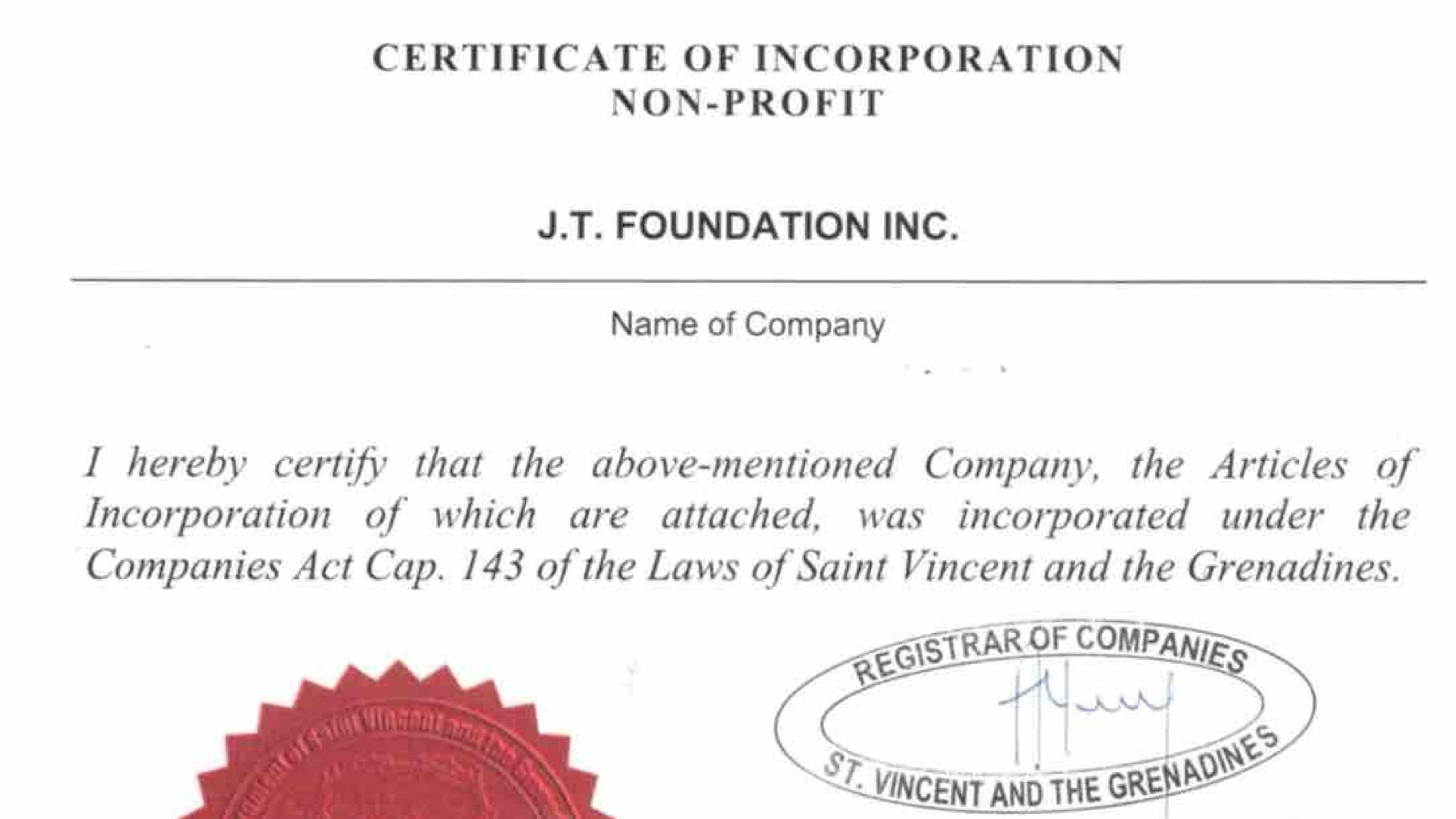
The direct fund was spent for impact. I did not pay myself from the relief money. The core unpaid team was not paid from the relief money. There were no contracts to friends, no hidden money, no kickbacks, and no relief money used to rebuild my own home or business.
For several months, the recovery work continued almost every day, without a real pause, while I was also trying to deal with the loss of my own home and business.
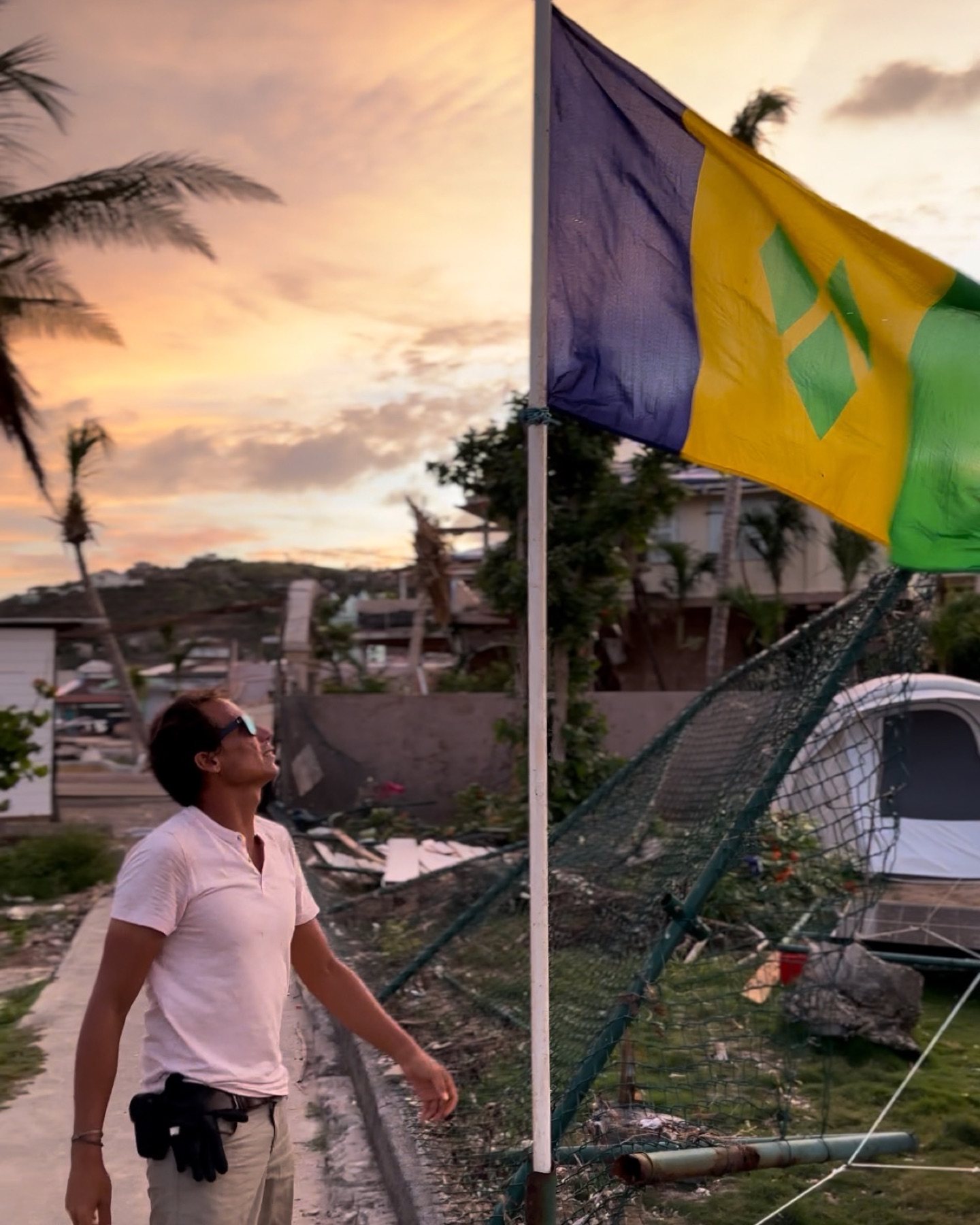
Two years later, I rebuilt my own home with my own savings. My business is still operating from a tent on the beach while I wait for authorization to rebuild the kite center.
I am sharing this because the numbers matter, but the context matters too. This was not only a financial operation. It was a full-time emergency response built under pressure, with limited resources, many people helping, and a responsibility to make every donated dollar count.
 Jul 1, 2024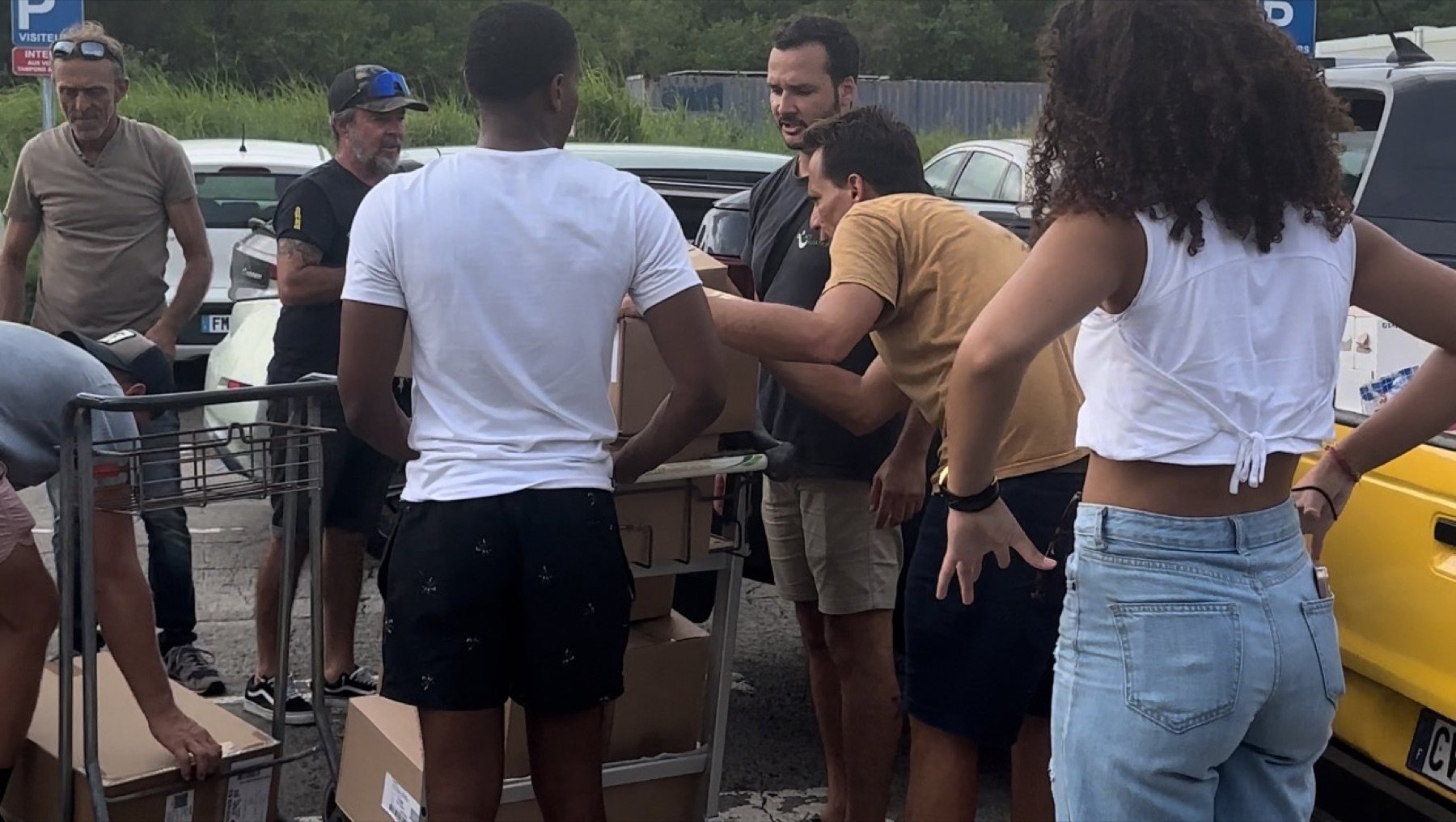
![CHECK ALL LIVE UPDATES ON https://www.instagram.com/jeremietronet/ [https://www.instagram.com/jeremietronet/]](assets/gofundme/03_2024-07-06_update-34723961_photo-01_179636581.jpg)